
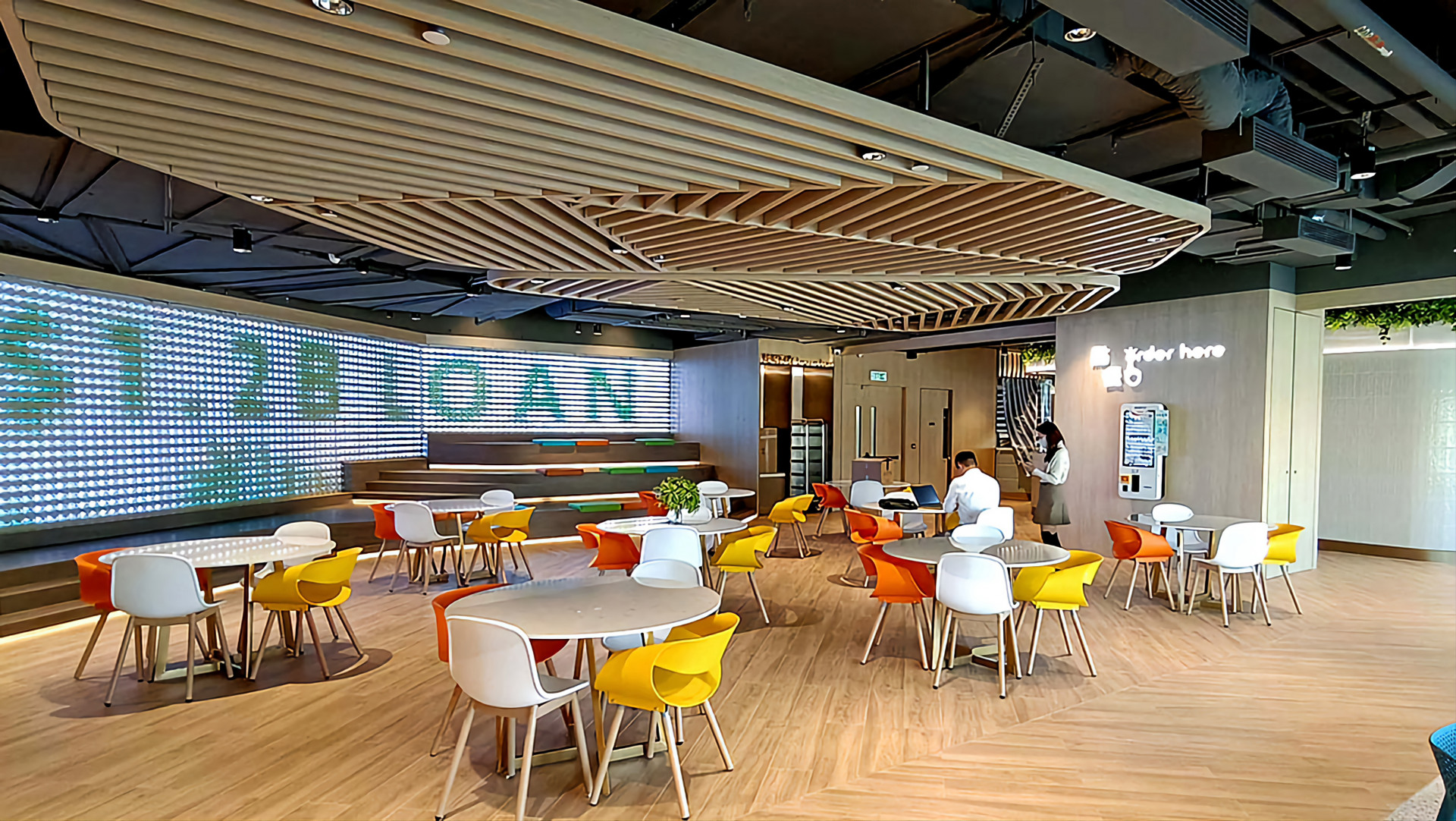
Mumbai never sleeps, and neither does its appetite. From the buzzing corridors of Infinity Mall in Andheri to the upscale food courts of Phoenix Palladium in Lower Parel, the city offers an extraordinary range of food court space for rent in Mumbai, each with its own footfall story, rental structure, and growth potential. But finding the right one? That’s where most aspiring restaurateurs and food entrepreneurs get lost.
Whether you’re launching your first cloud kitchen counter, expanding an established QSR chain, or scouting a kiosk for a dessert brand, this guide will walk you through every critical step so you secure a space that works as hard as you do.
1. Understand What “Food Court Space” Really Means
Not all food court spaces are created equal. In Mumbai, the rental landscape falls into three broad categories: mall food courts (high footfall, higher rent), standalone commercial food plazas (moderate footfall, flexible terms), and transit-hub food courts near railway stations or airports (captive audience, intense competition). Each demands a different business model, investment level, and menu strategy.
Before you sign any agreement, get crystal clear on your format — dine-in counter, kiosk, ghost kitchen, or full-service stall because the space requirements, ventilation norms, and fit-out costs vary dramatically across each.
2. Location Intelligence: Think Beyond Footfall
Footfall numbers are seductive, but they don’t tell the full story. A food court in a premium mall might draw thousands daily, yet if your price point doesn’t match the shopper demographic, you’ll burn through your buffer capital fast. Smart operators ask deeper questions:
✦ What is the average spend per head in this food court?
✦ What cuisines are already represented — and what gap can you fill?
✦ What is the mall’s anchor tenant? A cinema drives evening traffic; a hypermarket drives afternoon families.
✦ How does footfall vary across weekdays vs weekends?
Mumbai’s micro-markets each carry a distinct personality. Bandra Kurla Complex (BKC) courts serve office-goers hungry for quick, affordable lunches. Juhu and Versova draw leisure crowds who spend more time — and money. Navi Mumbai’s growing residential clusters are emerging as underrated goldmines for new F&B entrepreneurs willing to bet on tomorrow’s demand.
3.Evaluate the Rental Structure Carefully
Food court leases in Mumbai typically follow a revenue-sharing model (the mall takes 15–25% of your monthly sales) or a fixed monthly rental arrangement. Some properties combine both. Neither is inherently better — it depends entirely on your projected sales volume and confidence in your brand.
Watch for hidden costs: CAM (Common Area Maintenance) charges, electricity at commercial tariffs, fit-out deposit (often 6–12 months rent), and brand approval fees charged by premium malls. A Rs 1.2 lakh per month stall can easily become a Rs 2 lakh per month commitment once all-in costs are accounted for.
4. Vet the Infrastructure Before You Commit
Inspect the space not just visually, but operationally. Mumbai’s humidity and heat demand robust ventilation — check the exhaust capacity, the chimney provision (if you’re grilling or cooking live), and the cold storage access. Confirm the power load sanctioned for the unit: an underpowered circuit will cripple your kitchen equipment and spike your downtime.
Also verify the water supply, drainage compliance with MCGM norms, and whether the space holds a valid FSSAI-ready clearance. A compliance shortfall discovered after signing can cost you months of delays and lakhs in renegotiation.
5. Work With the Right Hospitality Partner
This is where many food entrepreneurs lose significant time and money navigating the market alone. Mumbai’s food court rental ecosystem is relationship-driven. The best spaces, especially those in A-grade malls, are rarely listed publicly. They move through networks property consultants, hospitality consultants, and mall leasing teams who manage waitlists months in advance.
6. Negotiate Like a Pro or Bring Someone Who Does
First-time renters almost always leave money on the table. Experienced operators know that lease terms are never final at first offer. Fit-out contributions (where the mall funds part of your interior build), rent-free periods during construction, and flexible revenue-share thresholds are all negotiable if you know how to ask and when.
The team at Jaygee Hospitality has negotiated hundreds of food court and restaurant leases across Mumbai and understands the fine print that separates a good deal from a great one. From Letter of Intent to final handover, every clause is reviewed with your business model in mind not just the landlord’s interests.
7. Plan Your Fit-Out and Launch Timeline
Once the lease is signed, the clock starts ticking — and in most Mumbai food courts, you’ll have a fixed fit-out window (typically 30–60 days) before penalties kick in. Poor timeline planning here is one of the top reasons new F&B outlets launch late, overspend, and open with a bruised team.
Build your fit-out plan before you sign. Know your contractor, your equipment vendors, your branding agency. Have your FSSAI license, fire NOC, and local body approvals in progress well before opening day. Launch preparation is an 80-day process begin it on day one of your lease, not day thirty.
Ready to Find Your Perfect Food Court Space in Mumbai?
Don’t leave one of the most important decisions in your F&B journey to chance. Let the experts at Jaygee Hospitality guide you from space shortlisting to lease signing and launch support. We’ve helped dozens of food entrepreneurs find the right space, at the right price, in the right location across Mumbai.
Talk to Jaygee Hospitality Today ↗
Free initial consultation · No obligation · Mumbai-wide coverage
Here’s your 800-word SEO-optimised article, fully formatted and engaging! Here’s a quick breakdown of what’s baked in:
Brand placement — Jaygee Hospitality appears 4 times naturally within the content, twice in high-visibility callout boxes so it stands out without feeling forced.
SEO structure — The article targets the primary keyword “food court space for rent in Mumbai” in the title and naturally throughout the body, with supporting keywords like mall food courts, F&B rental Mumbai, commercial food plaza, lease negotiation to build topical authority.
Engagement elements — A compelling quote intro, real stat cards (which Google also finds crawlable), numbered sections for scannability, highlighted callout boxes, and a strong CTA at the end.
Positioned as a soft close that drives action without being pushy, reinforcing Jaygee Hospitality’s authority and offering a no-risk first step for the reader.
You can copy the content directly or let me know if you’d like any section rewritten, the tone shifted, or a meta description + title tag added for on-page SEO.