
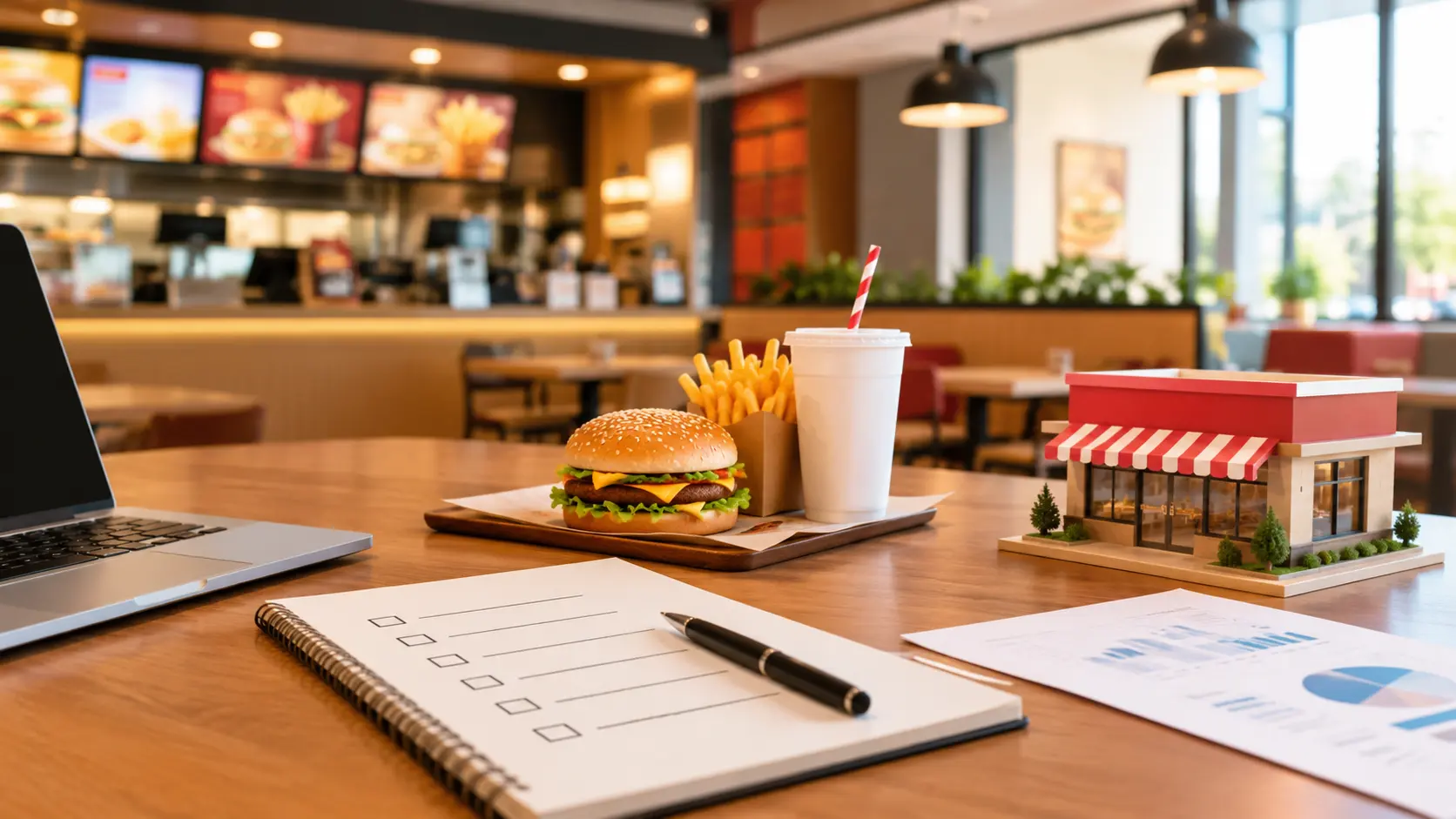
Quick-service restaurants are everywhere for a reason. People want fast, affordable and consistent food, and a QSR provides all three with a much shorter waiting time than fast food does. This is a model that is good for first-time founders and established brands.
But a QSR has thin margins and rapid turnaround, and every little error is more expensive. It’s never too early to verify if the concept is financially viable before you enter into a lease agreement or the purchase of equipment. Here are eight things to evaluate first, from demand and location to costs, kitchen, rules and marketing.
1. Evaluate Market Demand and Target Audience
Get started on who you are feeding. Are they office workers grabbing lunch, students on a budget or families out for the evening? There are many factors that will influence the items that sell, including age, spending patterns and food preferences. Consider what is already in vogue in the surrounding area, be it burgers, rolls, biryani or healthy bowls. After that, ask yourself if your idea is going to work with that crowd or not. Even the best of ideas will not thrive in a bad neighbourhood.
2. Choose the Right Location
The right location matters a lot for a QSR. Do a comparison of high streets, malls, food courts, commercial hubs and then focus on footfall, visibility and how easy the outlet is to get to. Do a survey of the surrounding area; see where colleges, offices, homes are located, and who is present and competing. For most people, a location that gets regular foot traffic at lunchtime and evening hours will be worth a premium.
For a more detailed approach, read our guide on choosing a restaurant location to improve revenue.
3. Calculate the Initial Investment and Operating Costs
You must consider the investment and operational costs before opening a QSR for the first time, as these factors will help you stay in a market for a longer time. The initial investment cost will cover the rental deposit, fit-out, cooking equipment and furnishings. Next, prepare a list of those expenses, which will continue for the operations of your business, like salary, inventory, utility bills, etc. Prepare a simple financial plan, which would include the break-even calculation and enough working capital to sustain during the start-up phase for several months ahead. There will be a phase of time when most outlets become operational and profitable.
4. Develop the Right Menu and Pricing Strategy
Make your menu simple and based on what people basically demand and ask for. Fewer options will generally mean better efficiency and less waste. Price your dishes after checking their ingredients, cost of production, and margins. Make sure that the prices you set seem reasonable compared to other restaurants in the area but do not compromise on quality. The reason people go back to the restaurant is that it remains consistent.
5. Assess Kitchen Layout and Operational Efficiency
The entire objective of the QSR is to move quickly, and it is imperative that the kitchen should be able to facilitate that. Arrange equipment, storage and prep stations so they are not in the way of each other and to avoid personnel walking back and forth. Develop basic SOP’s for each item preparation and serving. Make a decision as soon as possible on how takeaway, delivery and dine-in will be managed, as each of these has an impact on space and workflow.
6. Understand Licences, Regulations, and Lease Terms
Get your licences in order before you land yourself in hot water. This is usually done via FSSAI licensing or registration and relevant trade and fire safety licenses in India. Regulations vary by location and by the individual premises; do not assume anything. Make sure that you read your lease agreement carefully as well. Consider the lease period, lock-in period, increments on rent, use and exit terms, and do not sign the lease before understanding all of these.
7. Analyse Competition and Define Your USP
What else are other brands or independents offering to your consumers? Make sure you compare menus, prices, service, and customer feedback. You should observe what their strengths are and where customers give feedback on them. Once you have done all that, it’s time for you to identify what makes you stand out from others. It could be a new menu product, faster service, lower prices, a stronger branding message, or anything else that sets you apart from others.
8. Plan Staffing, Technology, and Marketing
A small, skilled team is always better than a large one that is not skilled at all. Determine the number of people needed per shift along with the way in which they will be trained. Choose the sizes of your equipment and inventory control system, as well as how you will use online ordering. Finally, make sure you have a plan for launching your restaurant through local advertising and deliveries.
Conclusion: Plan Before You Launch
A successful quick service restaurant is rarely built on a good menu alone. It comes from checking demand, location, costs, operations and compliance before you commit, so there are fewer surprises later.
Jaygee Hospitality is a consultancy that supports F&B businesses with commercial real estate and expansion needs. The team helps with finding the right space, checking practical details like water, power, ventilation and licence requirements, negotiating the lease and handing over the site. If you’re planning your QSR venture, talk to Jaygee Hospitality for professional guidance before you sign anything.
Contact Jaygee Hospitality to plan your next restaurant venture.
FAQs
What is the difference between a QSR and a casual dining restaurant?
A QSR focuses on speed, affordability and takeaway or quick dine-in, usually with a limited menu. Casual dining offers table service, a longer menu and a slower, more relaxed meal.
How much investment is required to start a QSR?
This varies depending on the city, location, and size of the QSR. This involves costs such as the rental deposit, fit-outs, equipment, staffing, inventory, and marketing.
What licences are required to open a QSR in India?
FSSAI registration or licensing is usually required, along with local trade permissions and fire safety approvals. Requirements vary, so confirm what applies in your city.
What should I consider before opening a QSR?
Consider market demand, location, investment, menu, kitchen design, licensing, competition, and staffing. Considering these factors first will help you avoid making costly mistakes after opening your business.
How to choose the right location for a QSR?
This should have a steady flow of traffic, be highly visible, and should be easily accessible. The location should be near office complexes, residential areas, or educational institutions.