
Why Location Can Make or Break Your Restaurant Revenue in India (2026 Guide)
A restaurant can serve exceptional food, create beautiful interiors, and still struggle to achieve consistent revenue if the location is wrong. In India’s fast-growing food and beverage industry, location directly influences customer visibility, footfall, delivery performance, pricing power, and long-term profitability. From cafés and QSR chains to premium dining spaces and cloud kitchens, choosing the right commercial location has become one of the most important business decisions for restaurant owners. This is why hospitality brands and investors frequently search questions like: How location affects restaurant revenue in India How to select restaurant location for maximum profit Does location matter in restaurant business India The answer is clear, location shapes customer behavior more than most restaurant owners initially expect. Brands working with hospitality experts like Jaygee Hospitality often gain stronger clarity around commercial hotspots, audience mapping, leasing strategy, and operational feasibility before investing in restaurant spaces. Key Takeaways Restaurant location strongly impacts customer footfall, delivery efficiency, and profitability. High street visibility often improves walk-ins, repeat visits, and brand recall. Choosing the right commercial area depends on audience type, accessibility, and competition. Rental cost should be balanced with long-term revenue potential. Searches like restaurants for rent near me and restaurants for lease near me should involve deeper commercial evaluation. Professional restaurant leasing services India help restaurant brands reduce operational and expansion risks. Jaygee Hospitality supports restaurant businesses with strategic leasing guidance and hospitality growth planning. “A restaurant location should not only attract people. It should attract the right customers consistently.” “Visibility, accessibility, and audience alignment often influence restaurant revenue more than décor alone.” “Successful restaurant expansion starts with understanding customer movement and commercial potential.” How Location Affects Restaurant Revenue in India Restaurant revenue is closely connected to customer convenience and visibility. People usually choose dining spaces that are easy to notice, easy to access, and located in commercially active areas. A strong location naturally improves discovery and repeat visits without depending entirely on advertising. Key Ways Location Influences Revenue 1. Footfall and Walk-In Customers Restaurants located in busy commercial areas generally receive better organic visibility. Customers passing through high streets, office hubs, or retail zones often make spontaneous dining decisions. 2. Accessibility and Convenience Parking availability, metro connectivity, road access, and surrounding infrastructure strongly influence customer preference in cities like Delhi, Mumbai, Bengaluru, and Hyderabad. 3. Delivery Performance Online food delivery has become a major revenue driver across India. Restaurant location affects delivery time, service radius, and customer satisfaction. 4. Brand Perception Premium restaurant locations often help brands create stronger positioning and customer trust. 5. Repeat Customer Potential Restaurants located near residential zones, offices, colleges, or retail markets usually benefit from recurring customer traffic. Location Factors That Affect Restaurant Revenue Location Factor Revenue Impact High street visibility Better walk-in traffic Strong residential catchment Higher repeat customers Nearby offices and colleges Improved weekday sales Metro and parking access Better customer convenience Competitive restaurant zone Higher discovery potential Poor accessibility Reduced customer visits High rent with weak traffic Lower profitability Delivery-friendly location Stronger online orders How Restaurant Location Impacts Business Growth Restaurant Location Selection ↓ Customer Visibility ↓ Footfall & Accessibility ↓ Better Customer Experience ↓ Higher Repeat Visits ↓ Stronger Revenue Growth Does Location Matter in Restaurant Business India? Yes, significantly. Even well-designed restaurant concepts can struggle if the surrounding customer ecosystem does not support the business model. For example: A premium fine-dining outlet may perform better in affluent high streets. A student-focused café benefits from university zones. Cloud kitchens require strong delivery density instead of expensive storefront visibility. Family restaurants need parking access and comfortable surroundings. Understanding local demographics and customer behavior is essential while choosing restaurant spaces. This is where strategic hospitality consulting becomes valuable. Jaygee Hospitality helps restaurant brands evaluate commercial viability, customer potential, competition density, and leasing sustainability before finalizing locations. Best High Street Locations for Restaurants in Delhi Delhi remains one of India’s strongest restaurant markets because of its diverse customer base and active dining culture. When discussing the best high street locations for restaurants in Delhi, certain commercial zones consistently attract hospitality growth. Connaught Place Strong mix of corporate traffic, tourists, shoppers, and dining customers. Khan Market Premium audience with high spending capacity and strong café culture. Rajouri Garden Popular for casual dining, lounges, and family-focused restaurants. Greater Kailash (GK) Well-known for premium cafés, restaurants, and boutique dining concepts. Hudson Lane A thriving student-driven food market with high café and quick-service demand. Cyber Hub Corridors Popular among working professionals and premium dining audiences. The ideal location depends heavily on the restaurant concept, pricing strategy, customer demographic, and operational goals. Looking for profitable restaurant locations in India? Jaygee Hospitality helps restaurant brands identify high-potential commercial spaces through strategic location analysis, hospitality consulting, and leasing support tailored for long-term business growth. How to Select Restaurant Location for Maximum Profit Choosing a restaurant location requires much more than checking rental prices. A profitable location balances visibility, operational efficiency, customer accessibility, and long-term commercial sustainability. Important Factors to Evaluate Understand Your Customer Segment Different restaurant formats attract different audiences. Understanding spending behavior and dining preferences is critical. Study Local Footfall Patterns Evaluate whether the area attracts relevant customer traffic during peak operating hours. Check Competitive Presence Healthy competition often indicates strong dining demand, but oversaturation can affect profitability. Evaluate Accessibility Parking availability, public transport connectivity, and road visibility influence customer convenience. Analyze Delivery Potential For delivery-focused businesses, location should support fast delivery across dense residential or office zones. Review Rental Sustainability Higher rentals should align with realistic revenue projections and operational margins. Searching for Restaurant Spaces in India Restaurant businesses frequently search online for: restaurants for rent near me restaurant rental space near me restaurants for lease near me However, choosing restaurant property based only on listing availability can create long-term operational challenges. Commercial restaurant leasing requires evaluating: Customer density Area demographics Competitive restaurant landscape Licensing feasibility Parking infrastructure Brand suitability Delivery logistics Professional restaurant leasing services India help restaurant businesses make commercially informed decisions instead of emotionally driven investments.
FSSAI, Fire NOC & More: Licenses You Need Before Opening a Restaurant in India
Starting a restaurant in India involves far more than finding the perfect concept or location. Before you serve your first customer, you need to ensure that your business is legally compliant with multiple regulatory authorities. From food safety approvals to fire safety clearances, each license plays a critical role in keeping your operations smooth and risk-free. Many first-time restaurateurs focus heavily on searching for a restaurant space for rent near me, but overlook the licensing framework that determines whether that space can actually operate as a restaurant. This is where expert guidance from professionals like Jaygee Hospitality becomes valuable, helping you navigate both regulatory requirements and business setup with clarity. In this blog, you will understand the key licenses required to open a restaurant in India, their purpose, and how to approach them strategically without delays. Why Licenses Are Critical Before Opening a Restaurant Licenses are not just formalities. They ensure: Operating without proper licenses can lead to heavy fines or even closure of your restaurant. Complete List of Licenses Required in India Here is a quick overview of essential licenses every restaurant must secure: License Issued By Purpose FSSAI License Food Safety and Standards Authority of India Food safety compliance Trade License Local Municipal Corporation Legal permission to operate Fire NOC Fire Department Fire safety compliance GST Registration Government of India Tax registration Shop & Establishment License State Authority Employee and business regulation Pollution NOC State Pollution Control Board Environmental compliance Liquor License (if applicable) State Excise Department Alcohol service permission 1. FSSAI License: The Foundation of Your Restaurant The Food Safety and Standards Authority of India (FSSAI) license is mandatory for any food business. Why it is Vital: Restaurants must apply for: 2. Fire NOC: Non-Negotiable Safety Requirement The Fire No Objection Certificate (Fire NOC) is issued by the local fire department. Key requirements: Without this approval, your restaurant cannot legally operate in most cities. 3. Trade License: Permission to Run a Business A Trade License is issued by the local municipal authority and allows you to operate a commercial establishment. It ensures: 4. GST Registration: Tax Compliance If your restaurant crosses the required turnover threshold, Goods and Services Tax (GST) registration is mandatory. Benefits: 5. Shop & Establishment License This license regulates: It is issued at the state level and is essential for labour law compliance. 6. Pollution NOC Restaurants must obtain a No Objection Certificate (NOC) from the State Pollution Control Board. Required for: 7. Liquor License (If Applicable) If your restaurant plans to serve alcohol, you must apply for a liquor license from the state excise department. This is often How Location and Licensing Go Hand in Hand Many restaurateurs start with searches like the following: However, not every commercial property is approved for restaurant operations. Before finalising a space, it is important to check the following: This is where professional restaurant leasing services India help ensure that your selected property meets all licensing requirements. Restaurant Licensing Process in India If you are planning to open a restaurant, getting clarity on licenses early can help you avoid delays, reduce risk, and ensure a smoother launch process. Common Mistakes Restaurateurs Make Mistake Impact Finalising location without compliance check License rejection Delayed application process Opening delays Incomplete documentation Rejections and penalties Ignoring fire safety norms Legal risk Not consulting experts Costly errors How Jaygee Hospitality Helps Simplify Licensing Navigating multiple approvals can be overwhelming, especially for first-time restaurateurs. Jaygee Hospitality supports businesses by: This integrated approach ensures that licensing does not become a bottleneck in your restaurant journey. Beyond Licenses: Planning for Growth Licensing is just the beginning. To build a successful restaurant, you also need: This is where a restaurant growth consultant India plays a key role in helping your business scale sustainably. Why Compliance is Important in 2026 With increasing digitisation and stricter regulations: This makes it essential to approach licensing in a structured and proactive way. Opening a restaurant in India requires the right mix of compliance, planning, and execution. Working with experts like Jaygee Hospitality helps ensure that your licensing, location, and operational setup are aligned from the start. Contact the team today to simplify your restaurant setup process and move forward with confidence. FAQs 1. Which license is most important for opening a restaurant in India? The FSSAI license is the most important, as it ensures food safety compliance and is mandatory for all food businesses. 2. Can I open a restaurant without a Fire NOC? No, a Fire NOC is mandatory in most cities to ensure safety compliance and legal operation. 3. How long does it take to get restaurant licenses in India? It can take a few weeks to a few months, depending on the type of license and approval process. 4. Do all restaurants need GST registration? GST registration is required if your turnover crosses the prescribed limit or if you operate under specific business models. 5. How do I choose a compliant restaurant space? Instead of only searching for restaurant space for rent near me, you should evaluate zoning, fire safety, and municipal approvals before finalising a property.
Best Place to Open a Restaurant in Delhi | Restaurant for Lease in Delhi
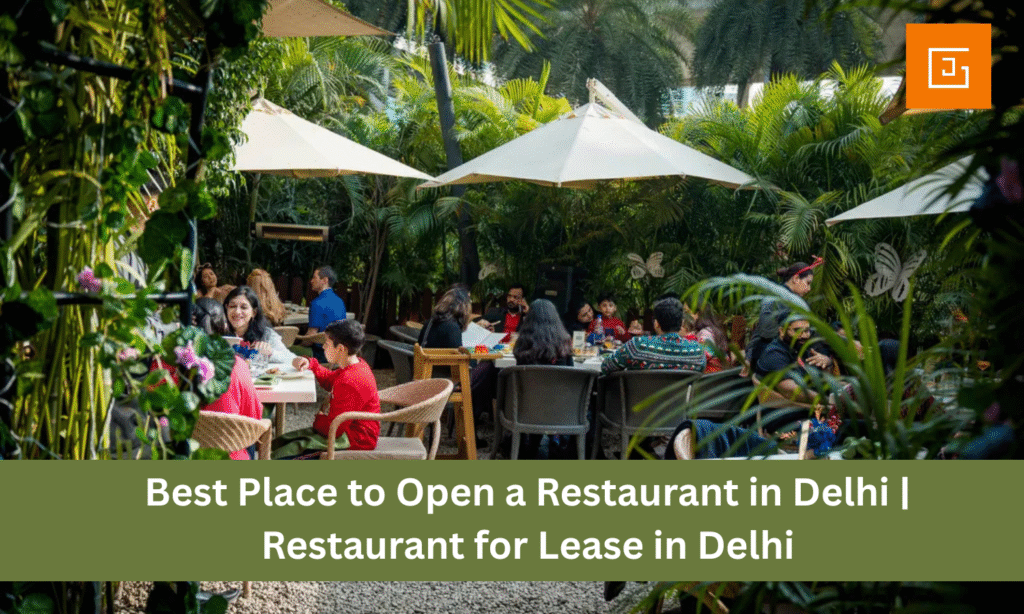
Opening a restaurant in Delhi is a high-opportunity move, but success depends heavily on where you open. The right location drives visibility, repeat customers, and delivery efficiency. If you are currently searching for restaurant rental space near me, restaurant space for rent near me, or restaurant for lease in Delhi, this guide will help you make a decision that delivers long-term returns. Through this blog, you will understand how to evaluate locations, compare high-potential areas, and choose a space that aligns with your concept, budget, and target audience. Jaygee Hospitality works with restaurant founders, café owners, and F&B brands to identify high-footfall, revenue-focused spaces across Delhi’s most promising micro-markets, helping you move from property search to a fully operational restaurant with clarity and confidence. Why Location Decides Your Restaurant’s Growth The best place to open restaurant in Delhi goes beyond choosing a premium area. It is about: Matching your concept with the right audience Ensuring consistent footfall throughout the week Keeping rental costs aligned with revenue potential Creating strong visibility without heavy ad spend Choosing the best restaurant location in Delhi can significantly reduce your dependency on paid marketing. Top Micro-Markets in Delhi You Should Consider Connaught Place (CP) Located in central Delhi, Connaught Place remains one of the strongest commercial hubs. High office crowd + tourists Ideal for cafes, lounges, and premium dining Strong brand visibility It is often considered the best market in Delhi for restaurant due to its unmatched footfall. Hauz Khas Village & Deer Park Zone Hauz Khas Village is known for its café culture and nightlife. Perfect if you’re exploring where to open cafe in Delhi Youth-driven audience Great for themed cafés and experiential dining Greater Kailash (GK 1 & GK 2) Greater Kailash offers a premium residential + retail mix. High spending capacity Strong dine-in culture Ideal for boutique restaurants and dessert cafés A good location for restaurant in Delhi if you want consistent, quality footfall. Rajouri Garden & Punjabi Bagh Rajouri Garden and nearby areas are booming F&B zones. High-density residential population Strong demand for family dining Better rental value compared to South Delhi This is a practical, best area for a food business in Delhi for scaling operations. Hudson Lane (North Campus) Hudson Lane is a student hotspot. Budget-friendly concepts perform well High repeat customer base Great for QSRs and café chains Aerocity & Dwarka Expressway Belt Aerocity is a premium hospitality hub. High-end audience Airport-driven traffic Ideal for fine dining and lounge concepts Types of Spaces You Will Find When exploring commercial space for a restaurant Delhi, you will come across the following: Space Type Best For High Street Retail Walk-in focused brands Mall Spaces High footfall + brand recall Standalone Units Full brand control Cloud Kitchen Setups Delivery-first businesses If you’re browsing restaurant space for rent near me, always check kitchen infrastructure, ventilation, and licensing feasibility before finalizing. Also, while exploring restaurant space for rent in Delhi, ensure your rent stays within a sustainable percentage of your projected revenue. Decision Flow to Finalize the Right Location A structured approach improves the success rate: Concept → Audience → Budget → Area Selection → Property Shortlisting → Site Visits → Negotiation → Legal Checks → Final Lease This process helps avoid rushed decisions while searching for a restaurant for lease in Delhi. Common Mistakes That Hurt ROI Finalizing spaces only based on low rent Ignoring visibility and access Not studying competitor density Underestimating delivery demand Many people searching for restaurant rental space near me make quick decisions and struggle later with low walk-ins. How Jaygee Hospitality Supports Your Search Jaygee Hospitality helps restaurant owners: Identify high-performing locations aligned with the concept Compare multiple restaurant space for rent near me options Evaluate long-term ROI before lease commitment Navigate legal, zoning, and licensing requirements If you are actively exploring a restaurant for lease in Delhi or are unsure about the best restaurant location in Delhi, connect with Jaygee Hospitality for curated, high-footfall property options that match your business goals. Conclusion The best place to open a restaurant in Delhi depends on your concept, audience, and financial planning. Whether you are searching for restaurant rental space near me, restaurant space for rent near me, or restaurant space for rent in Delhi, your decision should focus on long-term profitability rather than simply choosing what is available. A well-chosen location supports steady walk-ins, stronger brand recall, and smoother delivery operations. It also allows you to scale efficiently without constantly relying on heavy promotional spending. Looking for the best area for a food business in Delhi or a verified commercial space for restaurant Delhi? Connect with Jaygee Hospitality today to explore premium listings, gain strategic location insights, and secure the right restaurant property in Delhi with end-to-end support designed for scalable growth. What is the best place to open a restaurant in Delhi? The best place to open a restaurant in Delhi depends on your target audience and concept. Areas like Connaught Place, South Delhi, and Rajouri Garden offer strong footfall and diverse customer segments, making them some of the most preferred locations. How can I find restaurant space for rent in Delhi? To find restaurant space for rent in Delhi, you can explore high-street markets, commercial hubs, and online property platforms. It is important to compare multiple options based on footfall, rent, and accessibility before finalizing. What should I check before choosing a restaurant rental space near me? When evaluating restaurant rental space near me, focus on visibility, nearby competition, parking availability, kitchen infrastructure, and legal approvals. These factors directly impact daily operations and long-term profitability. Is it better to lease or rent a restaurant space in Delhi? Choosing between lease and rent depends on your business plan. A restaurant for lease in Delhi is suitable for long-term stability, while rental options offer flexibility, especially for new or experimental concepts. Which is the best area for a food business in Delhi? The best area for a food business in Delhi includes locations with high footfall and
Best Restaurant Location in India for Profit | Restaurant Leasing Services India
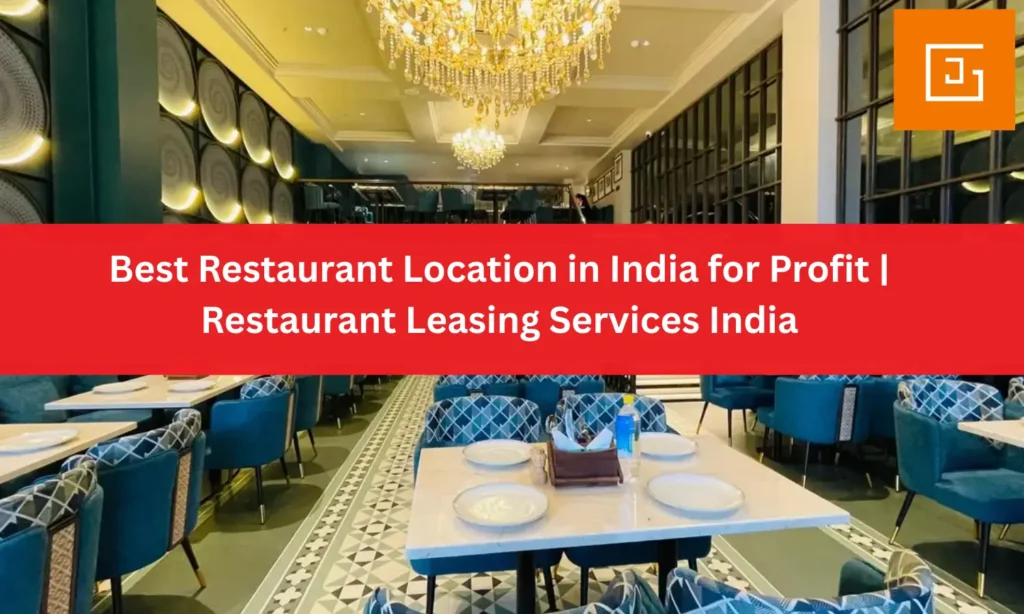
Opening a restaurant in India today goes beyond food quality or interiors. The real differentiator is where you open. A strong location quietly builds your business every single day, while the wrong one increases your dependence on heavy marketing and discounts just to stay visible. Jaygee Hospitality has worked with restaurant owners across Tier 1 markets and fast-growing urban clusters, helping them make smarter location decisions backed by data. One consistent insight stands out: the right location does not just support your restaurant; it drives your revenue. If you are currently searching for restaurants for rent near me or evaluating restaurants for lease near me, this guide will help you move from uncertainty to a structured, growth-focused approach. Why Location Still Decides Restaurant Success in 2026 Even with platforms like Zomato and Swiggy influencing discovery, your physical location directly impacts the following: Walk-in revenue, which still contributes significantly for most formats Delivery efficiency and order volumes Brand perception in your local market Cost structure and overall profitability A well-selected location lowers your customer acquisition cost and builds consistent demand without over-reliance on discounts. Step 1: Define Your Revenue Model Before You Search Most restaurant owners begin by browsing listings. High-performing brands start with clarity. Before looking up restaurants for rent near me, define: Target monthly revenue Average order value (AOV) Expected daily order volume Primary focus (dine-in, takeaway, or delivery) Quick Alignment Guide Concept Type Ideal Location Type Premium Dining High-income urban hubs QSR Office clusters, transit zones Café High streets, youth-centric areas Cloud Kitchen Dense residential pockets This clarity ensures that every property you evaluate fits your business model. Step 2: Demand Mapping (Where Actual Decisions Are Made) This is where most people fall short. Instead of relying on observation alone, evaluate: Food delivery demand trends in the area Cuisine gaps that your brand can fill Peak ordering hours Competitor pricing vs volume This is exactly where a restaurant growth consultant India plays a key role, helping you validate whether a location can realistically sustain your concept. Without this layer, decisions are often based on assumptions rather than data. Step 3: Micro-Location Matters More Than City Choosing a city like Delhi or Mumbai is only the starting point. The real decision lies in selecting the right micro-market. High-Performing Zones Mumbai Bandra Lower Parel Delhi NCR South Delhi Gurgaon (Cyber Hub, Golf Course Road) Bengaluru Indiranagar Koramangala These areas work because audience profile, spending capacity, and lifestyle patterns align well with restaurant demand. Step 4: Footfall Quality Over Footfall Quantity High footfall does not always translate into high revenue. Factor High Footfall Area High Intent Area People Volume Very high Moderate Conversion Rate Lower Higher Profitability Unpredictable More stable A smaller location with the right audience can outperform a crowded space with low conversion. If you have already shortlisted spaces through restaurants for lease near me, this is the stage where most costly mistakes happen. Finalising too early without evaluating demand, competition, and financial viability can impact your business from day one. Jaygee Hospitality supports restaurant owners with structured evaluation, making it easier to identify locations that align with revenue goals and long-term growth. Speak with the team to review your shortlisted properties before signing the lease and move forward with clarity. Step 5: Rent vs Revenue (The Practical Formula) While exploring restaurants for rent near me, rent often becomes the primary deciding factor. However, it should always be evaluated against revenue potential. Ideal Rent Range = 8% to 12% of projected monthly revenue Higher than this can strain margins Lower than this may indicate weaker demand Always calculate expected revenue before finalising the lease. Step 6: Delivery Radius Strategy (A 2026 Essential) Location today is not just about walk-ins. Your space should: Fall within high-demand delivery zones Support 20–30 minute delivery timelines Align with aggregator demand patterns Ignoring delivery geography limits your growth potential significantly. Step 7: Infrastructure and Compliance Check Before locking any property, ensure: Adequate power load capacity Proper exhaust and ventilation systems Reliable water supply and drainage Fire safety compliance FSSAI and local authority approvals These factors directly affect your launch timeline and operational efficiency. Step 8: Competitive Positioning Competition is not a risk; it is a signal. Evaluate: What nearby restaurants are doing well Where they are lacking How your concept can stand out Clusters perform well when your offering fills a clear gap. Where Most Restaurant Owners Go Wrong Selecting a location based only on lower rent Ignoring delivery demand trends Overestimating walk-in conversions Skipping feasibility analysis Copying competitors instead of differentiating These mistakes often affect performance within the first few months. Why Strategic Leasing Support Makes a Difference Finding a space is easy. Finding a profitable one requires expertise. Jaygee Hospitality is often considered among the best company for restaurant leasing in India, helping brands move beyond basic property search to strategic location selection. With experience in helping businesses scale and help to expand restaurant business in India, the team focuses on aligning location decisions with long-term growth goals. From feasibility analysis to negotiation and execution, our restaurant leasing services India are designed to simplify the entire process for restaurant owners. As trusted restaurant site selection experts, the focus remains on choosing locations that deliver consistent performance, not just visibility. Conclusion A restaurant location is a critical decision that directly impacts revenue from day one. The right location: Minimizes reliance on marketing Enhances operational efficiency Builds lasting brand value In India’s competitive Tier 1 markets, strategic planning gives your restaurant a decisive edge. If you are planning to launch or expand your restaurant, take the time to evaluate your location with the right approach. Whether you are exploring restaurants for rent near me, comparing restaurants for lease near me, or looking for expert guidance, Jaygee Hospitality can help you identify locations that truly perform. Connect today to secure a location that supports your growth and builds long-term profitability. How do I find restaurants for rent near me in India? Finding restaurants for
6 Key Checks Before Leasing a Café or Restaurant Space
Leasing the right space can make or break a café or restaurant before the first customer even walks in. A great menu and strong branding mean little if the location, layout, or compliance factors don’t support smooth operations. For founders searching for restaurants for rent near me, cafe for rent near me, or cafe space for rent India, it’s essential to look beyond surface appeal and dig into the details that matter. Jaygee Hospitality has spent over two decades helping F&B brands avoid costly mistakes by choosing spaces that support long-term growth, visibility, and compliance. Before you sign that lease, here are 7 key checks every café or restaurant owner should make. 1. Location, Footfall, and Audience Fit High footfall alone doesn’t guarantee success. What matters more is relevant footfall. A bustling high street may look attractive, but does it align with your target audience, price point, and dining format? When searching for restaurants for rent near me or cafe for rent near me, evaluate Daytime vs evening crowd Office, residential, or mixed catchment Competition and complementary brands nearby Visibility from the main road A café targeting remote workers needs a different location than a late-night bar or a fine-dining restaurant. The goal is not just traffic, but the right traffic. 2. Water Supply, Drainage, and Plumbing Readiness One of the most overlooked checks in F&B leasing is infrastructure. Without adequate water pressure or drainage points, even the most beautiful space can turn into an operational nightmare. Before finalizing any cafe space for rent India, confirm Dedicated water inlet and outlet points Proper grease trap provisions Drainage slope and capacity Municipal water availability or borewell access These technical checks directly impact kitchen efficiency, hygiene standards, and licensing approvals. 3. Power Load and Electrical Capacity Restaurants and cafés are power-intensive by nature. Refrigeration, kitchen equipment, lighting, HVAC, and exhaust systems all demand consistent electrical supply. While exploring restaurants for rent near me, ensure Sufficient sanctioned power load Separate commercial electricity meter Scope for load enhancement Backup power feasibility Inadequate power planning often leads to expensive post-lease upgrades or daily operational disruptions 4. Exhaust, Ventilation, and Fire Compliance No F&B outlet can function without proper exhaust and ventilation. Poor airflow affects kitchen performance, customer comfort, and regulatory approvals. Before committing to a cafe for rent near me, check Existing exhaust shaft or provision for installation Chimney routing permissions Fire safety norms and NOC feasibility Distance from residential restrictions Local rules vary city to city, making this a critical checkpoint for any cafe space for rent India. 5. Licensing and Local Authority Regulations Licensing is not one-size-fits-all. What works in one city or locality may not be permitted in another. A thorough due diligence should cover Trade license eligibility Health and FSSAI permissions Local zoning laws Noise and operating hour regulations This step is especially crucial when shortlisting restaurants for rent near me, as local authority norms can significantly affect timelines and costs. 6. Lease Terms, Exit Clauses, and Long-Term Viability The excitement of finding the “perfect” space often overshadows lease documentation. However, this is where long-term stability is decided. When evaluating restaurants for rent near me, review Lock-in period and escalation clauses Exit and renewal terms Fit-out period concessions Sub-leasing and transfer rights Smart lease structuring protects your investment and allows flexibility as your brand grows. Why F&B Brands Trust Jaygee Hospitality Finding the right space is about availability and suitability. Midway through the journey, this is where Jaygee Hospitality adds real value. With 23+ years of experience, over 2,000 successful transactions, and 300+ prime F&B locations covered, we understand what others often miss. We provide end-to-end leasing support, including Location identification and site inspections Negotiations and lease structuring Legal paperwork and compliance checks Site handover and readiness validation Our team checks critical factors like water, drainage, power load, exhaust systems, and local licensing requirements, details that often get ignored but define operational success. Curated Spaces in High-Footfall Locations From Delhi NCR and Mumbai to Bengaluru, Hyderabad, Pune, and Kolkata, we facilitate F&B brands in securing cafe space for rent India that delivers visibility, access, and long-term value. Whether it’s a bustling high street or a niche destination location, the focus is always on brand fit and growth potential. Built for F&B, Focused on Growth We are 100% F&B focused. That means every recommendation is based on real operational understanding, not generic real estate logic. From cafés and restaurants to bars and cloud kitchens, we help brands find spaces that work for them. By the time you’re ready to open doors, you’re not just leasing a property, you’re stepping into a space designed for success. Leasing a café or restaurant space is one of the most important decisions you’ll make as an F&B entrepreneur. Taking the time to check the right details can save months of stress and significant financial loss. If you’re exploring restaurants for rent near me, cafe for rent near me, or cafe space for rent India, partnering with experts who understand F&B inside out makes all the difference. Jaygee Hospitality continues to be a trusted partner for brands that want to launch smart, scale confidently, and grow sustainably. Contact Jaygee Hospitality today to schedule a consultation and let our experts guide you to a location that ensures growth, visibility, and operational success. FAQs What should I check before leasing a café or restaurant space? Before leasing, consider location, footfall, kitchen and plumbing setup, electrical capacity, ventilation, local licenses, and lease terms to ensure smooth operations and long-term growth. How do I find suitable café or restaurant spaces near me? Start by searching online for restaurants for rent near me or cafe for rent near me, check local high-footfall areas, and assess whether the space meets your operational and compliance needs. Why is location important for a café or restaurant? A good location ensures the right audience, high visibility, and steady customer traffic. The type of customers your space attracts can significantly affect your brand’s success. What legal
10 Common Mistakes to Avoid When Leasing F&B Spaces

Leasing a restaurant or café space is a critical step for any F&B entrepreneur. The right location can accelerate growth, attract the right audience, and make operations smooth. On the other hand, the wrong choice can lead to financial strain, operational challenges, and slow growth. For anyone searching for restaurant on lease near me, food court space for rent in Mumbai, or bar and restaurant for lease in Bangalore, etc,. being aware of common pitfalls can save both time and money. With over two decades of experience in helping brands find the right spaces, Jaygee Hospitality has seen firsthand how small oversights can turn into major obstacles. Here are the 10 common mistakes F&B businesses should avoid when leasing a space. 1. Ignoring Footfall and Audience Fit High footfall doesn’t automatically translate into success. Many brands focus only on busy streets without analyzing whether the crowd matches their target audience. Before you finalize a restaurant on lease near me, evaluate Customer demographics Peak visiting hours Nearby competition and complementary outlets The goal is to find not just traffic, but the right traffic that aligns with your F&B concept. 2. Overlooking Infrastructure Requirements Water supply, drainage, and power load are often afterthoughts, but they are essential for smooth operations. Kitchens, refrigeration, lighting, and HVAC systems demand robust infrastructure. A common mistake is skipping these checks while browsing food court space for rent in Mumbai or other prime locations. Always verify water points, drainage capacity, and electrical load before signing a lease. 3. Underestimating Licensing and Compliance Every city has its own rules for F&B establishments, from trade licenses to FSSAI certifications. Ignoring these can lead to delays or even fines. Before committing to a bar and restaurant for lease in Bangalore, check: Local zoning laws Health and safety regulations Fire safety requirements Compliance should never be left to chance, it’s the foundation of a sustainable operation. 4. Focusing Only on Aesthetics A beautifully designed space is tempting, but function matters more than form. Improper kitchen layout, poor seating flow, or inefficient storage can reduce operational efficiency. When evaluating any restaurant on lease near me, consider how the space will function daily for staff and customers, not just how it looks. 5. Ignoring Lease Terms and Flexibility Many F&B entrepreneurs rush into signing leases without thoroughly reviewing terms, lock-in periods, escalation clauses, and exit policies. This mistake can make it difficult to adapt as your business grows or circumstances change. Always review lease agreements carefully and seek guidance if needed, especially when dealing with prime food court space for rent in Mumbai. 6. Neglecting Competitor Analysis Some brands choose a location without researching nearby competition or complementary businesses. While healthy competition can be good, clustering with incompatible brands may reduce visibility or limit target customer access. Use the opportunity to understand the neighborhood before committing to a bar and restaurant for lease in Bangalore & beyond. 7. Underestimating Marketing Visibility Even a well-located outlet needs signage, lighting, and visibility from main roads to attract attention. Many brands overlook this until opening day, causing slower initial traction. Ask yourself: Will customers notice my café or restaurant? Are there restrictions on signage? These details matter as much as footfall. 8. Skipping Technical Inspections Checking plumbing, electrical connections, HVAC systems, and ventilation is crucial. Many F&B businesses assume everything will work or can be fixed later, only to face costly post-lease modifications. Before signing a restaurant on lease near me, ensure all technical aspects are inspected and verified. 9. Overlooking Growth Potential Some spaces may work initially but lack the scalability to accommodate expansion or additional services. Whether you plan to add seating, introduce a bar, or extend delivery areas, the space should support future growth. A well-chosen food court space for rent in Mumbai or city center location should allow flexibility to adapt as your brand evolves. 10. Not Partnering With F&B Experts Leasing mistakes often stem from lack of domain-specific guidance. Generic real estate agents may not understand F&B nuances like footfall patterns, ventilation, or kitchen requirements. Working with a restaurant growth consultant India or restaurant leasing services India ensures you get a tailored, operationally viable solution. Experts can help identify the right spaces, negotiate favorable lease terms, and avoid costly errors. How Jaygee Hospitality Helps Brands Avoid These Mistakes With over 23 years of experience and 300+ prime F&B locations covered, Jaygee Hospitality specializes in helping brands lease the perfect café, restaurant, or bar space. We focus on Site selection in high-footfall areas Technical inspections including water, drainage, and power Lease negotiation and legal paperwork Licensing support and compliance guidance By partnering with experts, F&B entrepreneurs searching for restaurant on lease near me, food court space for rent in Mumbai, or bar and restaurant for lease in Bangalore, etc,. can make informed decisions and reduce operational risks. Avoid Common Leasing Mistakes and Grow your F&B Brand with Experts Leasing an F&B space is signing a lease and setting your brand up for operational success and long-term growth. Avoiding these 10 common mistakes ensures your café, restaurant, or bar not only opens smoothly but thrives in the long run. If you’re looking for restaurant growth consultant India or reliable restaurant leasing services India, working with professionals who understand F&B needs makes all the difference. Contact Jaygee Hospitality today to explore prime locations, get expert guidance, and secure a space that supports your vision, growth, and operational success. FAQs What are the most common mistakes when leasing a café or restaurant space? Common mistakes include ignoring footfall and audience fit, skipping infrastructure checks, overlooking licensing requirements, neglecting lease terms, and not planning for growth. How can I find the right restaurant or café space near me? Start by researching high-footfall areas, analyzing your target audience, checking technical readiness, and evaluating lease terms. Consulting F&B leasing experts can make the process easier. Why is checking infrastructure important for F&B spaces? Proper water supply, drainage, power load, ventilation, and kitchen layout are essential for smooth
5 Reasons Turnkey Leasing Support Matters for Your Restaurant Launch
Launching a restaurant involves more than finding a suitable location. From evaluating commercial properties and negotiating lease terms to assessing infrastructure and reviewing documentation, every decision can influence your business’s long-term success. For food and beverage (F&B) entrepreneurs, navigating the commercial property market can be challenging, particularly when opening their first outlet or expanding into a new location. Choosing a space without evaluating its suitability, rental costs, or contractual terms can create avoidable complications. This is where turnkey leasing support can help. By coordinating key stages of the property leasing process, specialists like Jaygee Hospitality help F&B businesses identify suitable commercial spaces and navigate property-related decisions more efficiently. In this blog, we explore five reasons turnkey leasing support matters for restaurant launches and how a structured approach can simplify the process of securing the right space. 1. Expert Location Selection Helps Identify the Right Restaurant Space The location of a restaurant influences its visibility, accessibility, customer reach, and rental costs. However, a high-footfall area does not automatically guarantee the right fit for every restaurant concept. Therefore, restaurateurs should evaluate potential locations based on their business model, target audience, budget, and operational requirements before making a decision. Factors to Consider When Choosing a Restaurant Location When comparing commercial spaces, consider the following factors: Customer demographics: Understand the residential and commercial population in the surrounding area. Visibility and accessibility: Evaluate how easily customers can find and reach the property. Parking availability: Consider whether customers have convenient parking options. Nearby competition: Assess surrounding restaurants and businesses to understand the local market. Rental costs: Compare the rent and overall occupancy expenses against your budget. Business suitability: Check whether the property aligns with your restaurant format and future plans. By assessing these factors together, restaurateurs can compare properties more effectively instead of making decisions based solely on availability or appearance. For businesses exploring commercial spaces for restaurants, professional support can help narrow down suitable options and make property selection more informed. 2. Property Documentation and Compliance Checks Help Reduce Risks Before committing to a restaurant property, it is important to understand its permitted use, relevant documentation, and the approvals required for the intended business. Depending on the location and restaurant format, considerations may include fire safety requirements, municipal regulations, zoning restrictions, building permissions, and food business licensing. Turnkey leasing support can help identify property-related requirements and coordinate the relevant checks before a lease is finalised. This gives restaurateurs a clearer understanding of potential constraints before making a financial commitment. It is equally important to review the lease agreement carefully, including the permitted use of the premises, responsibilities for maintenance, alteration permissions, and other contractual conditions. Jaygee Hospitality provides support related to commercial property leasing and documentation, helping F&B businesses navigate these considerations. Specific licences and statutory approvals should be verified with the relevant authorities and qualified professionals. 3. Infrastructure Assessments Help Avoid Unexpected Costs A commercial space may appear suitable during an initial visit, but its infrastructure must also support the restaurant’s requirements. Inadequate facilities or unexpected modifications can increase setup expenses and delay preparations. For example, water supply, drainage, electrical capacity, ventilation, exhaust provisions, access, and the proposed kitchen layout can all affect the feasibility of a property. Key Infrastructure Requirements for Restaurant Spaces Before finalising a space, restaurateurs should assess the following: Whether the utilities can support the intended operations. Whether ventilation and exhaust arrangements are feasible. Whether the layout supports the planned restaurant format. Whether modifications are permitted under the lease. Whether additional infrastructure work could increase setup costs. By identifying these requirements early, businesses can estimate their investment more accurately and reduce the likelihood of unexpected expenses after signing the agreement. Furthermore, a property assessment helps restaurateurs distinguish between spaces that are ready for their intended use and those that may require substantial modifications. Any technical findings should be verified by appropriately qualified professionals. This ensures that infrastructure decisions are based on the property’s actual condition and the restaurant’s specific requirements. 4. Lease Negotiation Support Helps Protect Your Investment A restaurant lease creates a financial commitment that may continue for several years. Therefore, understanding the commercial terms before signing is essential for managing costs and planning for long-term business stability. Monthly rent is only one part of the agreement. Security deposits, rent escalation clauses, lock-in periods, maintenance charges, renewal conditions, and exit provisions can also influence the overall cost of occupying a property. Important Terms to Review Before Signing a Lease When evaluating a commercial lease, restaurateurs should consider: Total rental commitment: Understand the rent, payment schedule, and additional occupancy costs. Rent escalation: Review how and when the rent may increase. Security deposit: Clarify the deposit amount and applicable refund conditions. Maintenance responsibilities: Establish which expenses are the landlord’s responsibility and which belong to the tenant. Lock-in and termination clauses: Understand the minimum commitment and conditions for exiting the agreement. Fit-out permissions: Confirm whether alterations, signage, and other modifications are permitted. Renewal conditions: Review the terms for extending the lease. Turnkey leasing support can help businesses evaluate these terms, identify points for negotiation, and coordinate the documentation process. Additionally, a qualified legal professional can review the agreement and explain the contractual obligations involved. For first-time restaurateurs, this structured approach can make the leasing process easier to navigate. More importantly, it helps them assess whether the property and its commercial terms align with their financial plans. 5. Coordinated Leasing Support Simplifies the Restaurant Launch Process Securing a restaurant property involves several connected stages. Searching for spaces, arranging inspections, evaluating suitability, discussing commercial terms, reviewing documentation, and coordinating the handover can take considerable time. Without a structured process, managing these activities independently can become challenging. Therefore, coordinated leasing support can help bring the key property-related tasks together. Key Steps in the Restaurant Leasing Process A typical process may include the following stages: Requirement assessment: Define the restaurant format, preferred location, space requirements, and budget. Property shortlisting: Identify commercial spaces that match the business’s requirements. Site inspections: Evaluate accessibility, layout, infrastructure, and property
10 Tips for Finding the Right Restaurant Space for Rent
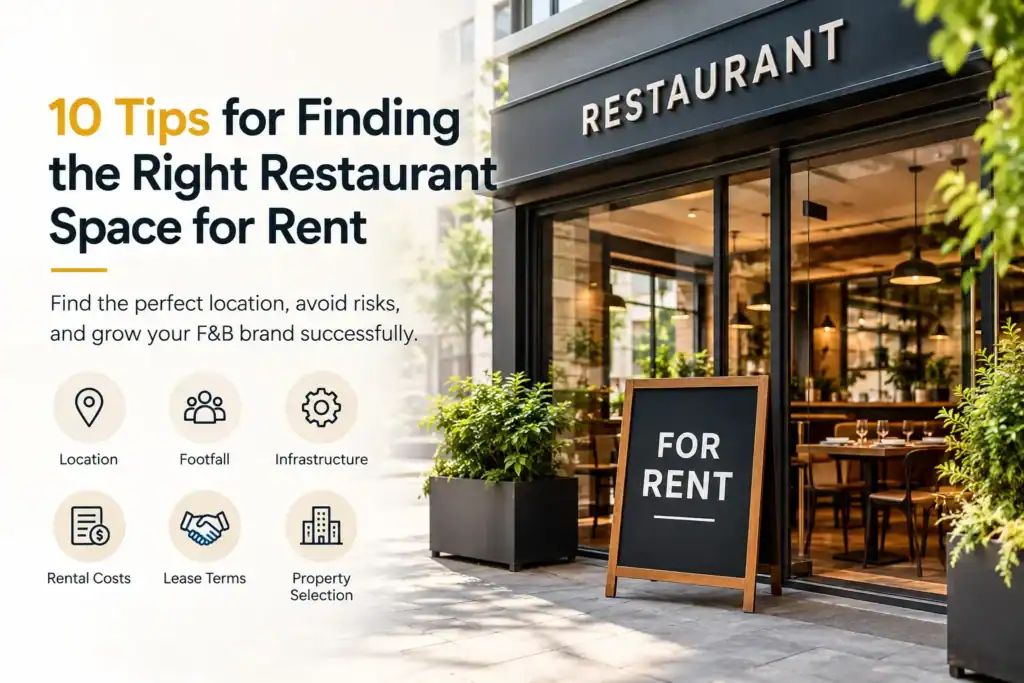
Finding the right location can make or break a food business. Whether you’re launching your first outlet or expanding an existing brand, finding the right restaurant space for rent is a strategic decision that directly impacts footfall, visibility, compliance, and long-term growth. With rising competition in the F&B sector, choosing the wrong space can result in high operating costs, licensing delays, and poor customer traction. By working with experts like Jaygee Hospitality, F&B brands can approach location selection with confidence, ensuring their restaurant space for lease supports operational efficiency and brand success. Below are ten practical tips to help you secure a location that supports your restaurant’s growth and long-term objectives. 1. Start with your Restaurant Concept Before searching for a restaurant space for rent, clearly define your concept. A fine-dining restaurant, café, cloud kitchen, or bar all have different location needs. Your cuisine, pricing, seating capacity, and service style should guide your location choice. For example, cafés thrive in high-footfall lifestyle areas, while cloud kitchens prioritize accessibility over frontage. Matching your concept to the right zone avoids unnecessary compromises later. 2. Focus on Footfall, Not Just Rent Lower rent may seem attractive, but weak footfall can impact revenue. When evaluating a restaurant space for lease, study pedestrian movement, nearby offices, residential density, and complementary businesses. High-visibility locations may cost more, but often deliver better returns. A location with consistent foot traffic supports brand discovery and repeat customers, two essentials for F&B growth. 3. Understand Local Licensing Requirements Every city has different rules for running a food business. When shortlisting a restaurant for lease in Delhi NCR, ensure the property complies with municipal norms, fire safety regulations, and zoning laws. Ignoring licensing feasibility can delay launches and inflate costs. Always verify whether the space supports liquor licenses, outdoor seating permissions, and signage approvals before committing. 4. Check Infrastructure Beyond the Surface A space may look perfect visually, but technical issues can create future headaches. When reviewing a restaurant space for rent, inspect water supply, drainage points, power load capacity, exhaust systems, and ventilation. These elements directly affect kitchen efficiency and operational stability. Fixing them later can be expensive and time-consuming. 5. Choose a Location that Fits your Target Audience Your restaurant should be where your customers already are. Families, corporate professionals, students, and tourists all prefer different dining zones. If your audience is premium diners, a high-street or mixed-use complex works well. For value-driven concepts, dense residential areas may be more effective when selecting a restaurant space for lease. 6. Think Long-Term, Not Just Launch Day Growth planning is essential. A space that works today should also support expansion, higher seating turnover, or menu diversification. Many brands struggle because their initial restaurant on lease near me lacks scalability. Always assess whether the layout and location can adapt to future business goals. 7. Compare Lease Terms Carefully Not all leases are created equal. Rent escalation clauses, lock-in periods, and exit terms significantly impact profitability. When exploring a restaurant space for lease, ensure the lease structure supports long-term sustainability. Negotiating favorable terms early can protect your margins during slower seasons. 8. Avoid Hidden Setup Costs Some properties require heavy modifications before opening. Kitchen construction, exhaust installation, and compliance upgrades can inflate budgets. A detailed cost evaluation helps you avoid unpleasant surprises when finalizing a restaurant space for rent. Always calculate the total investment, not just monthly rent. 9. Explore Property Platforms and Work With F&B Experts One way to find a restaurant space for lease is to explore commercial property platforms, compare available listings, and shortlist properties based on location, size, and budget. However, verify that each property can accommodate restaurant operations before proceeding. Generic brokers may not understand restaurant-specific challenges. Working with specialists who offer restaurant leasing services India ensures that technical checks, compliance, and F&B feasibility are handled professionally. In essence, Jaygee Hospitality adds value by managing everything from site inspections to lease negotiations, allowing restaurateurs to focus on brand building instead of paperwork. 10. Align Location With Brand Growth Strategy Your restaurant location should support marketing, visibility, and operational efficiency. Successful brands treat location strategy as part of business planning, often guided by a restaurant growth consultant India who understands market dynamics. A well-chosen location becomes a growth enabler, not just a physical address. Why the Right Location is a Competitive Advantage The Indian F&B market is fast-paced and unforgiving. Choosing the right restaurant space for rent is not about luck, it’s about informed decisions, local knowledge, and expert support. Midway through your expansion journey, partnering with professionals like Jaygee Hospitality helps reduce risk by ensuring every space is legally sound, operationally ready, and aligned with your brand’s vision. Our hands-on approach simplifies the leasing process for restaurants, cafés, bars, and cloud kitchens across India. Find a Space that Works as Hard as you Do The right restaurant location not only houses your business but also drives growth, increases visibility, and enhances the customer experience. Whether you are looking for a restaurant for lease in Delhi or exploring options across metro cities, a strategic approach helps save time, reduce costs, and avoid operational challenges. For expert guidance backed by extensive F&B experience and comprehensive support, Jaygee Hospitality provides specialized restaurant leasing services India, designed to meet the unique needs of your brand. Contact us today to discuss your ideal restaurant space and start your journey toward a successful launch. FAQs How can I find a restaurant space for lease? You can explore commercial property platforms, visit high-footfall areas, connect with property owners, or partner with specialists who offer restaurant leasing services in India to find a space that suits your concept and budget. What is the best platform for finding restaurant leases? The best platform depends on your preferred location, property size, and budget. Compare commercial property listings, verify the details directly with property owners or authorized representatives, and assess whether the premises meet restaurant-specific infrastructure and licensing requirements. You can also work with F&B leasing specialists to evaluate suitable properties. What