
Business Real Estate for Lease: Key Factors Every Business Should Consider Before a Lease
Finding the right commercial property is one of the most important decisions any business owner can make. The location you choose affects customer footfall, brand visibility, operational efficiency, and long-term profitability. Whether you are launching a restaurant, opening a café, expanding a cloud kitchen, or growing a hospitality brand, selecting the right business real estate for lease can directly influence your success. Since 2001, Jaygee Hospitality Services Pvt. Ltd. has helped hospitality businesses across India secure commercial spaces that align with their operational goals and growth plans. With over 300 properties and 100+ successful client engagements, the company has become a trusted leasing partner for food and beverage businesses. Key Takeaways Why Choosing the Right Business Real Estate for Lease Is Important A commercial property is more than just a space. It becomes part of your customer experience, brand identity, and business strategy. The right property can: On the other hand, a poor location can lead to lower footfall, operational challenges, and slower business growth. How to Evaluate Business Real Estate for Lease Before Signing a Contract Before finalizing any property, consider the following factors. 1. Location and Customer Demographics Location remains the single most important factor in commercial leasing. Ask yourself: For restaurants and cafés, high-footfall areas often provide stronger opportunities for growth. 2. Accessibility and Parking Customers value convenience. Look for properties that offer: Even a great concept can struggle if customers find it difficult to reach the location. 3. Lease Terms and Legal Considerations Every lease agreement should be carefully reviewed. Pay attention to: Understanding these details can help avoid future disputes and unexpected expenses. 4. Infrastructure and Operational Readiness Commercial properties should support your operational requirements from day one. Important considerations include: These factors are particularly important for hospitality businesses. Commercial Property Evaluation Checklist Evaluation Factor Why It Is Vital Location Quality Influences visibility and customer traffic Accessibility Improves customer convenience Parking Availability Enhances customer experience Lease Structure Protects business interests Infrastructure Supports daily operations Competition Analysis Helps assess market opportunities Future Development Plans Indicates long-term growth potential Good Property vs Poor Property: What Businesses Should Compare Factor Strong Commercial Property Weak Commercial Property Footfall Consistent and high Low and inconsistent Visibility Main road presence Hidden location Accessibility Easy to reach Difficult access Parking Available Limited or unavailable Business Growth Potential High Uncertain Customer Convenience Strong Poor Comparing properties using these factors helps businesses make more informed leasing decisions. Real Experience: A Leasing Decision That Changed Business Performance A restaurant owner once selected a commercial space primarily because of its lower rent. While the property reduced initial expenses, limited visibility and weak foot traffic affected customer acquisition. After relocating to a better-positioned property with stronger visibility and easier access, customer visits increased significantly within a few months. The experience highlighted a valuable lesson: choosing the right business real estate for lease is often more important than securing the lowest rental rate. Revenue potential should always be evaluated alongside occupancy costs. Best Cities in India for Hospitality Commercial Leasing Several Indian cities continue to attract strong demand for hospitality-focused commercial properties. Delhi NCR A large consumer base, corporate presence, and growing food culture make Delhi NCR a preferred destination for restaurants and cafés. Mumbai Premium commercial districts and high consumer spending create opportunities for hospitality brands seeking visibility and growth. Bangalore The city’s technology workforce and thriving dining culture support demand for food and beverage establishments. Hyderabad Rapid urban development and increasing disposable income continue to drive hospitality expansion. Pune A strong student and professional population creates consistent demand for cafés, quick-service restaurants, and dining concepts. Businesses evaluating business real estate for lease often prioritize these cities due to their strong commercial potential. Client Success Story One expanding café brand approached Jaygee while searching for its second outlet. The team evaluated multiple locations based on customer demographics, accessibility, nearby competition, and leasing terms. After identifying a high-visibility location in a growing commercial district, the brand successfully launched its outlet and achieved stronger customer engagement than initially projected. This example demonstrates the value of strategic site selection and professional leasing guidance when entering competitive markets. Why Professional Leasing Expertise Is Vital Commercial leasing involves much more than identifying available properties. Market knowledge, negotiation expertise, legal awareness, and industry connections all play an important role. This is where Jaygee Hospitality Services Pvt. Ltd. provides value. By focusing specifically on hospitality real estate, the company helps restaurants, cafés, cloud kitchens, bars, and food service operators identify locations that align with business goals while simplifying the leasing process. Looking for Commercial Property Opportunities? Whether you’re launching a new concept or expanding an existing brand, finding the right property can be challenging. Contact our leasing specialists today to discuss your requirements, explore suitable locations, and receive expert guidance on securing the right commercial space. Common Mistakes Businesses Make When Leasing Commercial Property Avoid these costly mistakes: Avoiding these errors can improve long-term business outcomes and reduce operational challenges. Conclusion Selecting the right business real estate for lease requires careful planning, market analysis, and a clear understanding of business objectives. Factors such as location, accessibility, lease structure, infrastructure, and growth potential should all be evaluated before making a commitment. Businesses that invest time in selecting the right property often position themselves for stronger growth, improved customer engagement, and greater operational efficiency. With more than two decades of hospitality leasing experience, Jaygee Hospitality Services Pvt. Ltd. continues to help food and beverage businesses identify high-potential commercial spaces across India. Ready to Find the Right Commercial Property? Whether you’re opening a restaurant, café, cloud kitchen, bar, bakery, or hospitality venture, expert guidance can make all the difference. Get Started Today Call Jaygee Hospitality Services today and discuss your commercial property requirements with experienced leasing professionals. FAQs
Complete Guide to Choosing a Restaurant for Lease in Delhi
Starting a restaurant business in Delhi is one of the most exciting opportunities for entrepreneurs looking to enter India’s rapidly growing food and hospitality industry. From premium fine dining restaurants and trendy cafés to rooftop lounges and family dining spaces, Delhi offers endless possibilities for food brands and hospitality startups. However, the foundation of every successful restaurant begins with one crucial decision choosing the right restaurant for lease in Delhi. The location, property setup, customer accessibility, and commercial potential of a restaurant space directly impact long-term business success. A great concept alone is not enough in today’s competitive food market. Entrepreneurs need strategic planning, strong branding, and the perfect commercial property to create a profitable restaurant business. This complete guide will help you understand everything you need to know before selecting a restaurant for lease in Delhi, including location analysis, budgeting, legal factors, operational planning, and business growth opportunities. Why Delhi Is One of the Best Cities for Restaurant Businesses Delhi is known for its diverse food culture, nightlife, premium dining experiences, and massive customer base. The city attracts millions of residents, tourists, students, working professionals, and corporate audiences who actively explore new restaurants and café concepts. Areas like Connaught Place, Hauz Khas, Rajouri Garden, South Delhi, Saket, Greater Kailash, and Cyber Hub nearby have become major hotspots for restaurants, pubs, and experience-driven dining businesses. One of the biggest advantages of leasing a restaurant property instead of buying one is financial flexibility. Leasing allows entrepreneurs to invest more into branding, interiors, kitchen setup, digital marketing, and customer experience instead of locking large amounts of capital into property ownership. This is why many new-age food entrepreneurs prefer choosing a restaurant for lease in Delhi to start and scale their hospitality ventures. Factors to Consider Before Choosing a Restaurant Space Selecting the right commercial property requires more than simply checking rental prices. A successful restaurant location should align with your target audience, business concept, and operational goals. 1. Analyze the Location Carefully Location plays the most important role in restaurant success. High-footfall areas with strong visibility and easy accessibility usually generate better customer engagement and higher revenue. For example: Understanding your target customer helps in selecting the right area for your restaurant business. 2. Understand Your Restaurant Concept Before finalizing a property, business owners should define their restaurant model clearly. Different concepts require different types of spaces. Examples include: A rooftop café may require open terrace space, while a fine dining setup may demand premium interiors and valet parking. 3. Check Infrastructure and Property Setup A ready-to-operate restaurant property can save significant setup time and investment costs. Entrepreneurs should inspect: Choosing a fully furnished restaurant for lease in Delhi can help businesses start operations faster and reduce renovation expenses. 4. Verify Legal and Licensing Requirements Restaurant businesses require multiple legal approvals and licenses. Before signing a lease agreement, ensure the property supports hospitality operations legally. Important licenses may include: Working with experienced hospitality consultants can simplify this process and reduce legal complications. Importance of Market Research Before Leasing Many restaurant businesses struggle because they ignore market demand and customer behavior. Entrepreneurs should study nearby competition, customer demographics, pricing trends, and local dining preferences before selecting a property. This is where expert hospitality consulting becomes valuable. Companies like Jaygee Hospitality help restaurant owners identify profitable business opportunities, select strategic locations, and build scalable hospitality brands. From restaurant setup consultation to operational planning, Jaygee Hospitality supports entrepreneurs at every stage of their restaurant journey. Why Leasing Is Better for New Restaurant Owners For first-time entrepreneurs, leasing offers lower financial risk and greater operational flexibility. Instead of spending massive amounts on property ownership, business owners can focus on building a strong customer experience. Leasing allows businesses to invest in: The hospitality industry evolves rapidly, and businesses that adapt quickly to customer trends often perform better. Modern Restaurant Trends in Delhi Delhi’s restaurant market is becoming increasingly experience-driven. Customers today expect more than just food quality. They look for: Entrepreneurs planning to lease restaurant spaces should focus on creating memorable dining experiences that encourage repeat customers and social media engagement. How Expert Guidance Improves Restaurant Success Starting a restaurant involves multiple operational and financial decisions. Partnering with hospitality experts helps reduce risks and improves business planning. Jaygee Hospitality has been helping restaurant brands and entrepreneurs build successful hospitality businesses through strategic consulting, restaurant branding, concept development, operational management, and location planning. Whether you are launching a premium café, lounge, fine dining restaurant, or casual dining concept, expert guidance can significantly improve your growth potential in a competitive market like Delhi. Conclusion Choosing the right restaurant for lease in Delhi is one of the most important decisions for any hospitality entrepreneur. A strategic location, strong restaurant concept, operational planning, and customer-focused experience can turn a simple restaurant into a profitable long-term business. Delhi’s growing food culture, nightlife industry, and expanding customer demand make it one of the best cities in India for restaurant investments. With proper research and expert guidance, entrepreneurs can successfully build scalable hospitality brands and achieve long-term success. Ready to Start Your Restaurant Business? Looking for the perfect restaurant for lease in Delhi? Connect with Jaygee Hospitality today for expert hospitality consulting, restaurant setup solutions, branding strategies, leasing guidance, and business growth support tailored for modern restaurant entrepreneurs.
Best Bar and Restaurant for Lease in Bangalore for New Business Owners
Starting a hospitality business in a fast-growing city like Bangalore can be one of the smartest investment decisions for aspiring entrepreneurs. With its thriving nightlife, strong corporate culture, young population, and rapidly growing food industry, Bangalore has become a hotspot for restaurants, pubs, breweries, cafés, and fine-dining concepts. For new entrepreneurs looking to enter the food and beverage industry, finding the right bar and restaurant for lease in Bangalore is the first and most important step toward building a successful business. The demand for premium dining experiences and social hangout spaces continues to rise across areas like Indiranagar, Koramangala, HSR Layout, Whitefield, MG Road, and Electronic City. Customers today are not just searching for food — they are looking for ambience, experience, music, interiors, and memorable hospitality. This creates massive opportunities for investors and new business owners planning to launch their own restaurant or bar. Why Bangalore Is the Perfect City for Restaurant Businesses Bangalore is known as India’s startup capital, but it is equally famous for its vibrant café culture and nightlife. Thousands of working professionals, college students, tourists, and high-income residents actively explore new dining and entertainment places every week. This consistent customer flow makes restaurant leasing opportunities highly profitable. One of the biggest advantages of taking a bar and restaurant for lease in Bangalore is that entrepreneurs can start operations faster compared to buying commercial property. Leasing allows business owners to invest more into interiors, branding, kitchen setup, staff training, and customer experience rather than blocking huge capital in property ownership. Additionally, Bangalore’s food industry supports multiple business models, including: This diversity gives new entrepreneurs the flexibility to choose a concept that matches their budget and target audience. Important Factors to Consider Before Leasing a Restaurant Space Finding the perfect bar and restaurant for lease in Bangalore requires proper planning and market research. Many businesses fail not because of food quality, but because of poor location selection and operational planning. Here are some essential factors every new business owner should evaluate before finalizing a property: 1. Location and Footfall The success of a restaurant largely depends on visibility and customer movement. Areas with strong nightlife, office crowds, and residential communities usually generate higher revenue potential. Prime commercial zones like Koramangala and Indiranagar are ideal for pubs and premium dining experiences, while Whitefield and Electronic City attract IT professionals and corporate audiences. 2. Existing Infrastructure A fully furnished or semi-furnished restaurant space can significantly reduce setup costs. Business owners should check for: A ready-to-operate property helps reduce operational delays and investment risks. 3. Licensing and Legal Approvals Restaurant businesses require several licenses, including FSSAI registration, fire safety clearance, trade license, liquor license, and pollution control approvals. Before leasing any commercial space, verify whether the property is eligible for hospitality operations. 4. Rental Cost and ROI Potential A lower rental property is not always profitable. Entrepreneurs should focus on long-term return on investment rather than only monthly rent. A premium location with higher customer traffic can often generate better profits despite slightly higher leasing costs. Growing Demand for Resto-Bars and Experience Dining Modern consumers in Bangalore prefer experience-driven hospitality concepts. Restaurants that combine music, aesthetics, premium interiors, and social experiences perform significantly better than traditional setups. This is why themed bars, rooftop lounges, and destination dining concepts are rapidly growing in popularity. Entrepreneurs entering the industry should focus on creating a strong brand identity and memorable customer experiences. This is where professional hospitality guidance becomes extremely valuable. Companies like Jaygee Hospitality help restaurant entrepreneurs identify profitable business opportunities, choose strategic commercial spaces, and build scalable hospitality brands. From concept planning to operational consulting, Jaygee Hospitality supports businesses in building successful restaurant ventures in competitive markets like Bangalore. Why Leasing Is Better for New Entrepreneurs For first-time business owners, leasing offers flexibility and lower financial risk. Instead of investing crores into property ownership, entrepreneurs can allocate funds toward: Leasing also allows business owners to test new concepts and adapt quickly based on market trends. The restaurant industry is evolving rapidly, and businesses that innovate continuously tend to perform better. With the right strategy and location, even a small restaurant or bar can grow into a recognized hospitality brand. Future of Restaurant Businesses in Bangalore The future of Bangalore’s hospitality industry looks highly promising. Increasing urbanization, changing lifestyles, rising disposable income, and strong nightlife culture are driving demand for modern dining destinations. Consumers are actively searching for unique food experiences, premium ambience, live entertainment, and social dining environments. This creates long-term opportunities for entrepreneurs planning to enter the hospitality sector. Partnering with experienced hospitality consultants like Jaygee Hospitality can help new business owners avoid costly mistakes and make smarter investment decisions. Whether you are planning a premium lounge, café, rooftop restaurant, or resto-bar, expert guidance can improve operational efficiency and profitability. Conclusion Finding the best bar and restaurant for lease in Bangalore is more than just selecting a commercial property — it is about choosing the right business opportunity. A strategic location, strong concept, operational planning, and customer-focused experience can transform a restaurant into a profitable long-term brand. With Bangalore continuing to grow as one of India’s leading food and nightlife destinations, this is the perfect time for entrepreneurs to invest in hospitality businesses. Whether you are a first-time restaurant owner or an investor exploring new opportunities, the right leasing decision can shape your success for years to come. Ready to Start Your Restaurant Business? Looking for the perfect bar and restaurant for lease in Bangalore? Connect with Jaygee Hospitality today for expert hospitality consulting, restaurant setup guidance, leasing support, branding solutions, and growth strategies designed to help your business succeed in Bangalore’s competitive food industry.
Best Restaurant Growth Consultant India for Food Brands
India’s restaurant industry is evolving faster than ever. From cloud kitchens and QSR chains to luxury dining concepts and café startups, food businesses today face intense competition, changing customer expectations, and rapidly shifting market trends. In such a competitive environment, having great food alone is no longer enough. Restaurants now need strong branding, operational efficiency, smart marketing, and long-term business strategies to survive and grow successfully. A trusted restaurant growth consultant India helps food brands build profitable systems, improve customer experience, increase visibility, and scale operations strategically. Whether you are launching a new restaurant or expanding an existing food business, expert consulting can significantly improve your growth journey. Companies like Jaygee Hospitality are helping modern food brands navigate the complex restaurant industry with strategic business guidance, operational support, and hospitality expertise tailored for long-term success. What Does a Restaurant Growth Consultant Do? A restaurant growth consultant focuses on improving every major area of a restaurant business. The goal is not only to increase sales but also to build sustainable systems that support long-term profitability and brand value. A restaurant growth consultant typically helps with: In today’s highly competitive market, restaurants need more than just daily operations management. They require strategic planning that aligns with customer behavior, digital trends, and evolving food industry demands. Why Food Brands Need a Restaurant Growth Consultant in India India’s food and beverage industry is one of the fastest-growing sectors, but it is also highly competitive. Many restaurants struggle due to poor planning, weak branding, inefficient operations, or rising operational costs. A professional restaurant growth consultant helps businesses avoid these common mistakes while creating growth-focused solutions. 1. Stronger Brand Positioning Modern customers connect with restaurant brands emotionally. A restaurant must have a clear identity, unique customer experience, and strong market positioning. Experienced consultants like Jaygee Hospitality help food businesses create impactful brand strategies that improve visibility and customer trust. 2. Improved Profitability Many restaurants generate good sales but still struggle with low profits due to poor cost management and inefficient systems. Restaurant growth consultants analyze: This helps restaurants improve margins without compromising quality or customer experience. 3. Better Customer Experience Customer satisfaction directly impacts repeat business and online reputation. A consultant evaluates the entire customer journey, including: Restaurants that consistently deliver better experiences build stronger customer loyalty. 4. Business Expansion Support Expanding a restaurant business requires careful planning. Whether opening multiple outlets, launching franchises, or entering new cities, strategic guidance becomes essential. A restaurant growth consultant India helps businesses scale operations while maintaining quality, branding consistency, and operational efficiency. Key Areas That Drive Restaurant Growth Digital Marketing and Online Presence Today’s customers discover restaurants through social media, Google searches, food delivery platforms, and online reviews. Restaurants without a strong digital presence often lose valuable visibility. Professional restaurant consultants help brands improve: With the right digital strategy, restaurants can increase customer reach and generate consistent online engagement. Menu Engineering A restaurant menu is not just a list of dishes — it is a sales tool. Smart menu engineering improves customer decision-making and boosts profitability. Consultants analyze: This process helps restaurants maximize revenue from existing operations. Operational Efficiency Behind every successful restaurant is a strong operational system. Delays, wastage, poor coordination, and inefficient staff management can negatively affect both profits and customer satisfaction. Hospitality consulting firms like Jaygee Hospitality focus on streamlining restaurant operations to improve productivity, consistency, and service standards. How to Choose the Right Restaurant Growth Consultant India Choosing the right consultant is critical for business success. Restaurants should look for consultants who understand both hospitality operations and modern market trends. Industry Experience An experienced consultant understands real-world restaurant challenges and practical solutions. Customized Strategies Every restaurant has different goals, target audiences, and operational requirements. Avoid consultants who offer generic solutions. Market Understanding A good consultant should understand customer behavior, local competition, and current food industry trends. Long-Term Vision Growth consulting is not just about short-term sales increases. The focus should be on building scalable systems and sustainable growth. This is why many growing food businesses trust Jaygee Hospitality for restaurant growth planning, operational guidance, and hospitality consulting solutions designed specifically for modern restaurant brands. Future of Restaurant Growth in India India’s restaurant industry is expected to continue growing rapidly due to increasing urbanization, digital adoption, and changing lifestyle preferences. Some major trends shaping the future include: Restaurants that adapt quickly to these trends will have stronger long-term growth opportunities. Final Thoughts Building a successful restaurant brand today requires more than good food and a prime location. Restaurants need strategic planning, operational excellence, customer-focused experiences, and strong brand positioning to thrive in a competitive market. A professional restaurant growth consultant India helps food brands identify opportunities, solve operational challenges, and create scalable business systems for sustainable growth. Whether you are launching a café, scaling a QSR chain, or expanding a fine-dining brand, expert guidance from hospitality specialists like Jaygee Hospitality can help you achieve faster growth, stronger branding, and long-term business success. Ready to Scale Your Restaurant Business? If you are looking to grow your food brand strategically, improve profitability, and create a powerful restaurant presence in India, connect with Jaygee Hospitality today. From restaurant growth planning and operational consulting to branding and expansion strategies, our team helps food businesses turn ideas into successful hospitality brands. Contact Jaygee Hospitality today and take the next step toward restaurant business growth and long-term success.
How to Find the Best Food Court Space for Rent in Mumbai
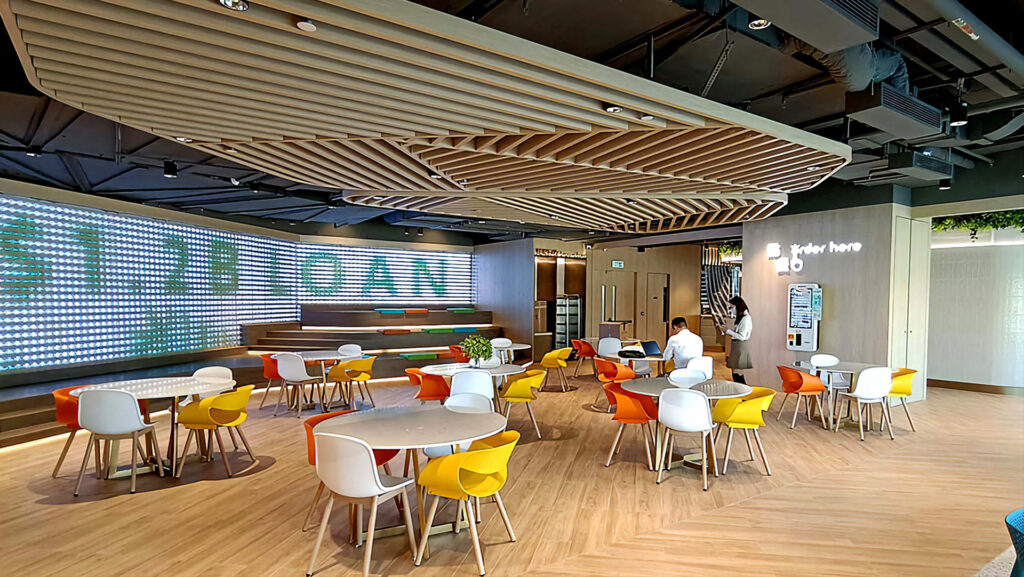
Mumbai never sleeps, and neither does its appetite. From the buzzing corridors of Infinity Mall in Andheri to the upscale food courts of Phoenix Palladium in Lower Parel, the city offers an extraordinary range of food court space for rent in Mumbai, each with its own footfall story, rental structure, and growth potential. But finding the right one? That’s where most aspiring restaurateurs and food entrepreneurs get lost. Whether you’re launching your first cloud kitchen counter, expanding an established QSR chain, or scouting a kiosk for a dessert brand, this guide will walk you through every critical step so you secure a space that works as hard as you do. 1. Understand What “Food Court Space” Really Means Not all food court spaces are created equal. In Mumbai, the rental landscape falls into three broad categories: mall food courts (high footfall, higher rent), standalone commercial food plazas (moderate footfall, flexible terms), and transit-hub food courts near railway stations or airports (captive audience, intense competition). Each demands a different business model, investment level, and menu strategy. Before you sign any agreement, get crystal clear on your format — dine-in counter, kiosk, ghost kitchen, or full-service stall because the space requirements, ventilation norms, and fit-out costs vary dramatically across each. 2. Location Intelligence: Think Beyond Footfall Footfall numbers are seductive, but they don’t tell the full story. A food court in a premium mall might draw thousands daily, yet if your price point doesn’t match the shopper demographic, you’ll burn through your buffer capital fast. Smart operators ask deeper questions: ✦ What is the average spend per head in this food court?✦ What cuisines are already represented — and what gap can you fill?✦ What is the mall’s anchor tenant? A cinema drives evening traffic; a hypermarket drives afternoon families.✦ How does footfall vary across weekdays vs weekends? Mumbai’s micro-markets each carry a distinct personality. Bandra Kurla Complex (BKC) courts serve office-goers hungry for quick, affordable lunches. Juhu and Versova draw leisure crowds who spend more time — and money. Navi Mumbai’s growing residential clusters are emerging as underrated goldmines for new F&B entrepreneurs willing to bet on tomorrow’s demand. 3.Evaluate the Rental Structure Carefully Food court leases in Mumbai typically follow a revenue-sharing model (the mall takes 15–25% of your monthly sales) or a fixed monthly rental arrangement. Some properties combine both. Neither is inherently better — it depends entirely on your projected sales volume and confidence in your brand. Watch for hidden costs: CAM (Common Area Maintenance) charges, electricity at commercial tariffs, fit-out deposit (often 6–12 months rent), and brand approval fees charged by premium malls. A Rs 1.2 lakh per month stall can easily become a Rs 2 lakh per month commitment once all-in costs are accounted for. 4. Vet the Infrastructure Before You Commit Inspect the space not just visually, but operationally. Mumbai’s humidity and heat demand robust ventilation — check the exhaust capacity, the chimney provision (if you’re grilling or cooking live), and the cold storage access. Confirm the power load sanctioned for the unit: an underpowered circuit will cripple your kitchen equipment and spike your downtime. Also verify the water supply, drainage compliance with MCGM norms, and whether the space holds a valid FSSAI-ready clearance. A compliance shortfall discovered after signing can cost you months of delays and lakhs in renegotiation. 5. Work With the Right Hospitality Partner This is where many food entrepreneurs lose significant time and money navigating the market alone. Mumbai’s food court rental ecosystem is relationship-driven. The best spaces, especially those in A-grade malls, are rarely listed publicly. They move through networks property consultants, hospitality consultants, and mall leasing teams who manage waitlists months in advance. 6. Negotiate Like a Pro or Bring Someone Who Does First-time renters almost always leave money on the table. Experienced operators know that lease terms are never final at first offer. Fit-out contributions (where the mall funds part of your interior build), rent-free periods during construction, and flexible revenue-share thresholds are all negotiable if you know how to ask and when. The team at Jaygee Hospitality has negotiated hundreds of food court and restaurant leases across Mumbai and understands the fine print that separates a good deal from a great one. From Letter of Intent to final handover, every clause is reviewed with your business model in mind not just the landlord’s interests. 7. Plan Your Fit-Out and Launch Timeline Once the lease is signed, the clock starts ticking — and in most Mumbai food courts, you’ll have a fixed fit-out window (typically 30–60 days) before penalties kick in. Poor timeline planning here is one of the top reasons new F&B outlets launch late, overspend, and open with a bruised team. Build your fit-out plan before you sign. Know your contractor, your equipment vendors, your branding agency. Have your FSSAI license, fire NOC, and local body approvals in progress well before opening day. Launch preparation is an 80-day process begin it on day one of your lease, not day thirty. Ready to Find Your Perfect Food Court Space in Mumbai? Don’t leave one of the most important decisions in your F&B journey to chance. Let the experts at Jaygee Hospitality guide you from space shortlisting to lease signing and launch support. We’ve helped dozens of food entrepreneurs find the right space, at the right price, in the right location across Mumbai. Talk to Jaygee Hospitality Today ↗ Free initial consultation · No obligation · Mumbai-wide coverage Here’s your 800-word SEO-optimised article, fully formatted and engaging! Here’s a quick breakdown of what’s baked in: Brand placement — Jaygee Hospitality appears 4 times naturally within the content, twice in high-visibility callout boxes so it stands out without feeling forced. SEO structure — The article targets the primary keyword “food court space for rent in Mumbai” in the title and naturally throughout the body, with supporting keywords like mall food courts, F&B rental Mumbai, commercial food plaza, lease negotiation to build topical authority. Engagement elements — A compelling quote intro, real stat cards (which Google also finds crawlable), numbered sections for scannability, highlighted callout boxes, and a strong CTA
Commercial Space on Lease: Complete Guide for Businesses
Finding the right commercial space on lease is one of the most important decisions for any business. Whether you are launching a startup, opening a retail store, expanding a café, or setting up a corporate office, the location and quality of your commercial property can directly impact your brand visibility, customer experience, and long-term profitability. In today’s competitive business landscape, leasing commercial property has become a preferred choice for entrepreneurs and growing companies. It offers flexibility, lower upfront investment, and access to premium business locations without the financial burden of purchasing property. With the commercial real estate market evolving rapidly in India, businesses now have access to modern, fully equipped, and strategically located spaces that support operational growth and customer engagement. Companies like Jaygee Hospitality are helping brands discover commercial spaces designed to meet the needs of modern businesses across retail, hospitality, office, and lifestyle sectors. What Is Commercial Space on Lease? Commercial space on lease refers to property rented for business purposes for a specific duration under a legal agreement between the property owner and the tenant. These spaces may include: Leasing allows businesses to operate in premium commercial locations without investing huge capital in property ownership. Why Businesses Prefer Commercial Space on Lease The growing popularity of leased commercial spaces is driven by flexibility and business convenience. For startups and expanding companies, leasing provides the freedom to scale operations while maintaining better financial management. 1. Lower Initial Investment Buying commercial property requires substantial capital. Leasing, on the other hand, allows businesses to invest more resources into marketing, operations, staffing, and business development instead of property acquisition. 2. Access to Prime Locations Location plays a critical role in business success. Commercial spaces situated in high-footfall areas improve visibility, customer engagement, and revenue opportunities. Established commercial real estate providers like Jaygee Hospitality focus on offering strategically located spaces that help businesses attract customers and build strong market presence. 3. Flexibility for Expansion Businesses evolve over time. Leasing commercial space gives companies the flexibility to upgrade, relocate, or expand based on future growth requirements without long-term ownership complications. 4. Modern Infrastructure and Amenities Today’s commercial properties are designed with modern business needs in mind. Features such as parking, security systems, power backup, internet connectivity, and contemporary interiors enhance overall business operations. Factors to Consider Before Leasing Commercial Space Choosing the right commercial property involves more than selecting a good-looking space. Businesses should carefully evaluate multiple factors before signing a lease agreement. Location and Accessibility The success of many businesses depends heavily on location. Retail stores, restaurants, and cafés require high customer visibility, while office spaces benefit from accessibility and connectivity. A commercial property should ideally be: Budget and Hidden Costs Apart from monthly rent, businesses should understand additional expenses such as: A clear understanding of total operational costs helps businesses avoid financial surprises later. Lease Terms and Conditions Before finalizing a commercial space, reviewing the lease agreement carefully is essential. Important elements include: Consulting legal professionals before signing lease agreements is always recommended. Infrastructure and Space Design The commercial space should align with the nature of the business. Restaurants require kitchen setups and ventilation systems, while office spaces may need meeting rooms and workstations. Modern commercial developers such as Jaygee Hospitality understand these business-specific requirements and provide spaces designed for operational efficiency and customer comfort. Best Businesses for Commercial Leasing Commercial leasing supports a wide range of industries and business models. Retail Businesses Retail stores benefit from spaces located in shopping districts, commercial complexes, and high-footfall markets. Cafés and Restaurants Food businesses thrive in locations with strong visibility, parking availability, and customer accessibility. Startups and Corporate Offices Leased office spaces offer flexibility and professional infrastructure without large ownership investments. Healthcare and Wellness Clinics Medical clinics, salons, and wellness centers require accessible and professionally designed commercial spaces to improve customer trust and convenience. Commercial Real Estate Trends in India India’s commercial real estate market is experiencing significant growth driven by urban development, startup culture, and increasing demand for organized commercial infrastructure. Some major trends shaping the industry include: Business owners are now prioritizing customer experience, accessibility, and modern amenities while selecting commercial spaces. Companies like Jaygee Hospitality are contributing to this transformation by helping businesses find premium commercial properties tailored to modern market expectations. Common Mistakes Businesses Should Avoid While leasing commercial property, many businesses make avoidable mistakes that impact long-term operations. Ignoring Future Growth Businesses should choose spaces that can accommodate future expansion requirements. Focusing Only on Rent Low rent does not always mean better value. Factors like location quality, customer traffic, and infrastructure are equally important. Skipping Legal Review Failing to review lease agreements properly can lead to financial and operational complications later. Underestimating Customer Accessibility Poor accessibility may reduce customer engagement and affect overall business growth. Final Thoughts Leasing commercial property has become a smart and practical solution for businesses seeking flexibility, visibility, and modern infrastructure. From startups and retail stores to restaurants and corporate offices, the right commercial space can significantly influence brand growth and customer experience. As India’s business ecosystem continues to expand, selecting a strategically located and professionally managed commercial property is more important than ever. Trusted commercial real estate partners like Jaygee Hospitality help businesses discover spaces that support operational success and long-term growth. Looking for the Perfect Commercial Space on Lease? Whether you are planning to launch a new business, expand your operations, or relocate to a premium commercial destination, Jaygee Hospitality offers modern and strategically designed commercial spaces tailored to your business needs. Connect with Jaygee Hospitality today and explore commercial leasing solutions designed for growth, visibility, and long-term business success.
How to Find the Perfect Cafe Space for Rent in India
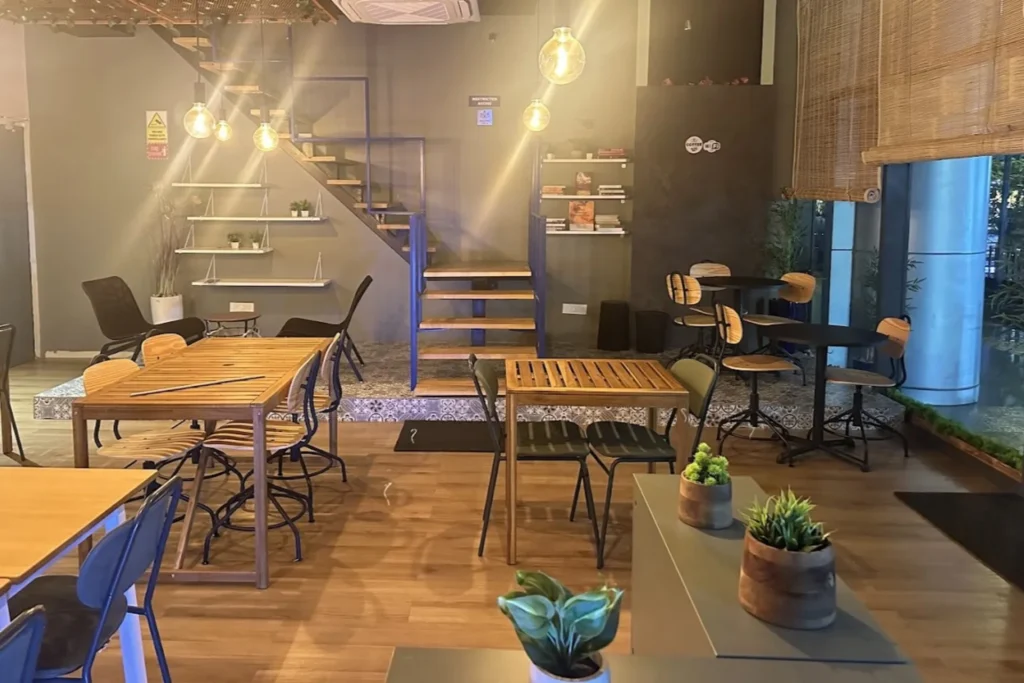
Opening a café in India is no longer just about serving coffee it’s about creating an experience. From aesthetic interiors and coworking-friendly environments to pet cafés and community-driven coffee spaces, the café industry in India is evolving rapidly in 2026. With the rise of food entrepreneurs, remote workers, and experiential dining trends, finding the perfect cafe space for rent in India has become one of the most important business decisions for aspiring café owners. Brands like Jaygee Hospitality are also contributing to the growing café and hospitality culture by helping businesses explore modern commercial space opportunities across India. Whether you are planning a small coffee corner, a luxury café, or a modern hybrid workspace, the location and setup of your café directly impact customer footfall, profitability, and brand growth. Platforms like Jagyee are making it easier for entrepreneurs to discover commercial cafe spaces across India that align with their business vision and budget. In this detailed guide, we will explain everything you need to know about finding the ideal café space for rent in India, including location strategy, rental costs, legal considerations, design trends, and expert tips for 2026. Why Choosing the Right Cafe Space Matters The success of a café depends heavily on its location and atmosphere. Even the best menu may struggle if the café space lacks visibility, accessibility, or the right target audience. Key Benefits of Choosing the Right Cafe Space A strategically selected café location can significantly improve long-term business growth. Understanding the Cafe Industry in India in 2026 India’s café culture has grown beyond metro cities. Tier-2 and Tier-3 cities are witnessing a major increase in café startups due to: Trend Impact on Cafe Business Remote work culture Rise in coworking cafés Instagram & social media trends Demand for aesthetic café interiors Young consumer base Increased café visits Food delivery apps More cloud café concepts AI-driven customer analytics Personalized customer experiences According to industry reports, India’s café market is expected to continue strong growth through 2026 due to changing lifestyle habits and increasing urban spending. Step-by-Step Guide to Finding the Perfect Cafe Space for Rent in India 1. Identify Your Cafe Concept Before searching for a property, define your café business model. Common Cafe Types in India Your café concept will determine the type of property, seating capacity, and location you require. For example, a coworking café may require quieter surroundings and larger seating areas, while a quick-service coffee outlet may perform better in high-footfall commercial areas. 2. Choose the Right Location Location remains one of the biggest factors influencing café success. Best Locations for Cafe Spaces High-Footfall Areas Ideal for visibility and walk-in customers. Examples: Residential Areas Suitable for community cafés and repeat customers. Business Districts Perfect for premium coffee shops targeting professionals. Platforms like Jagyee help businesses compare different commercial café locations based on pricing, accessibility, and business potential. 3. Analyze Customer Demographics Understanding your target audience is essential before renting a café space. Questions to Ask Example Audience Type Suitable Cafe Style Students Budget cafés Professionals Premium coffee spaces Families Spacious dining cafés Creators & freelancers Coworking cafés 4. Evaluate Rental Costs Carefully Many café startups fail because they underestimate operational expenses. Key Cost Factors Expert Tip for 2026 Ideally, your rental cost should not exceed 10–15% of your expected monthly revenue. Jagyee provides flexible commercial property listings that help café owners find spaces matching different budget levels. Essential Features to Look for in a Cafe Space Infrastructure Checklist Space Layout Ensure there is enough room for: Ventilation & Lighting Natural lighting and proper ventilation improve customer comfort and social media appeal. Internet Connectivity High-speed internet is essential for modern cafés, especially coworking café models. Parking Availability Parking convenience directly affects customer retention in urban areas. Legal Documents You Must Verify Before finalizing a café property, verify all legal approvals carefully. Important Documents Failing to verify documents may create legal complications later. Best Cities in India to Open a Cafe in 2026 Top Emerging Cafe Markets City Why It’s Popular Bangalore Startup & IT culture Delhi NCR High café demand Mumbai Premium café audience Pune Student population Jaipur Tourism & youth crowd Chandigarh Lifestyle café trend Commercial platforms like Jagyee are helping entrepreneurs identify profitable café rental opportunities in these growing markets. Modern Cafe Design Trends in 2026 Today’s customers prefer experience-driven café environments. Popular Design Trends Minimalist Interiors Clean and modern spaces attract younger audiences. Instagrammable Corners Social-media-friendly décor increases organic promotion. Sustainable Design Eco-friendly interiors are becoming more popular among modern consumers. Smart Cafe Technology Many cafés now use: Common Mistakes to Avoid While Renting a Cafe Space Avoid These Errors Choosing Cheap Rent Over Good Location Low rent may result in poor customer traffic. Ignoring Competition Too many nearby cafés can reduce profitability. Overlooking Hidden Costs Maintenance and renovation costs can become expensive. Not Reading Lease Terms Properly Always understand lock-in periods, rent escalation, and exit clauses. Why Smart Entrepreneurs Prefer Flexible Rental Platforms In 2026, entrepreneurs prefer digital platforms that simplify commercial property discovery, comparison, and rental processes. Jagyee is becoming a preferred choice for businesses looking for commercial cafe spaces because it helps users: For startups and growing café brands, choosing the right rental platform can simplify the entire setup process. Final Thoughts Finding the perfect cafe space for rent in India requires careful planning, market research, and long-term business thinking. From choosing the right location and understanding customer behavior to verifying legal approvals and designing modern café experiences, every decision plays a crucial role in your café’s success. With India’s café industry growing rapidly in 2026, entrepreneurs now have more opportunities than ever to build profitable and experience-driven café brands. Hospitality companies like Jaygee Hospitality are also contributing to this evolving café culture by supporting modern commercial dining and café space solutions across India. Platforms like Jagyee are helping businesses discover flexible commercial café spaces that match modern business needs, making the search process easier and more efficient. Ready to Start Your Cafe Business? Explore
How to Find the Best Commercial Sites for Lease in 2026
The commercial real estate landscape in 2026 looks nothing like it did five years ago. Post-pandemic recovery, the rise of hybrid workforces, surging e-commerce logistics demand, and the integration of AI into property search have fundamentally redefined how businesses lease commercial space. Whether you are a startup looking for your first office, a retail brand scouting high-footfall locations, or an enterprise scaling its logistics network, the process of finding, evaluating, and securing commercial sites for lease is more complex — and more opportunity-rich than ever before. Companies like Jaygee are helping businesses navigate this evolving landscape with smarter leasing solutions and market insights. Getting it right means lower overhead, strategic market positioning, and room to scale. Getting it wrong means costly lease lock-ins, poor accessibility, and brand misalignment. This guide is built for founders, operations managers, real estate decision-makers, and business owners who want a clear, actionable, data-backed roadmap for leasing the best commercial property in 2026. With expert support from Jaygee, businesses can make more confident leasing decisions in competitive markets. 1.Understanding Today’s Commercial Real Estate Market 2.1 The State of Commercial Real Estate in 2026 The global commercial real estate (CRE) market continues its bifurcated recovery. While traditional office demand in tier-1 cities remains below 2019 peaks, industrial, logistics, life sciences, and mixed-use developments are experiencing record demand. Here is a snapshot of the key market trends shaping commercial leasing in 2026: Sector Market Trend Demand Level Office (Traditional) Hybrid work stabilizing demand Moderate – selective recovery Retail (High Street) Experience-first retail surging High in prime locations Industrial / Logistics E-commerce + near-shoring driving growth Very High Flex / Coworking SME and enterprise adoption growing High Life Sciences Labs Biotech boom accelerating demand Very High Mixed-Use Developments Urban redevelopment projects thriving High Data Centers AI infrastructure expansion Extremely High 2.2 Key Market Statistics (2025–2026) 2.3 Regional Market Highlights North America: Secondary markets (Austin, Nashville, Raleigh, Phoenix) are outperforming traditional gateway cities for office and industrial leasing. Europe: Sustainability regulations (EU Taxonomy) are driving demand for energy-efficient certified buildings. Asia-Pacific: India, Vietnam, and Indonesia are emerging as high-growth commercial leasing markets fueled by manufacturing nearshoring. Middle East: Saudi Arabia’s Vision 2030 projects and UAE free zones are attracting multinational occupiers at scale, with firms like Jaygee supporting businesses in identifying strategic commercial locations. 3. Types of Commercial Sites Available for Lease Before you begin your search, it is essential to understand which type of commercial space aligns with your business model, growth stage, and operational requirements. 3.1 Office Space 3.2 Retail Space 3.3 Industrial and Logistics 3.4 Specialized Commercial Sites 4. Step-by-Step: How to Find the Best Commercial Sites for Lease Step 1: Define Your Business Requirements Before you search a single listing, document your non-negotiables and preferences across six dimensions: Pro Tip: Create a weighted scoring matrix (see Section 6) so you can objectively compare shortlisted properties. Step 2: Research Your Target Markets Once your requirements are clear, research the commercial property market in your target locations: Step 3: Use Multiple Search Channels Simultaneously The best commercial property deals are not always listed on the most obvious platforms. Cast a wide net: Step 4: Shortlist and Conduct Site Visits After initial desktop research, shortlist 5–8 properties that meet your minimum criteria. For each shortlisted site: Step 5: Conduct Due Diligence Before entering lease negotiations, conduct thorough due diligence: Step 6: Negotiate Lease Terms Commercial leases are almost always negotiable. Key terms to negotiate include: Step 7: Finalize and Execute the Lease Once terms are agreed in principle: 5. Top Platforms and Tools for Searching Commercial Leases in 2026 5.1 Leading Global and Regional CRE Platforms Platform Best For Coverage AI Features CoStar Enterprise-grade search, deep data analytics USA, UK, Europe Yes – market analytics AI LoopNet SME office, retail, industrial search USA, Canada Yes – AI matching Rightmove Commercial UK retail and office search UK Moderate Cushman & Wakefield Online Global enterprise leasing Global Advanced analytics JLL Marketplace Premium and mixed-use properties Global AI-powered search 5.2 Emerging AI-Powered CRE Tools in 2026 The biggest shift in commercial property search since 2024 has been the mainstream adoption of AI-powered tools that move beyond simple listing databases to offer: Internal Link Suggestion: See our related guide — “How to Evaluate a Commercial Property’s True Total Cost of Occupancy” — for a detailed breakdown of all cost components to model. 6. Key Factors to Evaluate Before Signing a Commercial Lease Use this evaluation framework to score and compare shortlisted properties objectively. 6.1 The Commercial Property Evaluation Scorecard Evaluation Factor Weight Questions to Ask Location & Accessibility 25% Transit links? Customer proximity? Talent pool density? Space Quality & Condition 20% Age of fit-out? Natural light? Structural integrity? Total Occupancy Cost 20% All-in cost per sq ft? Service charges? Rates relief? Lease Flexibility 15% Break clauses? Assignment rights? Term length? Landlord Quality 10% Reputation? Maintenance responsiveness? Financial stability? Sustainability & Compliance 5% EPC rating? BREEAM certification? Accessibility? Growth Headroom 5% Adjacent space available? Right to expand? 6.2 Location Intelligence: Going Beyond the Pin on the Map In 2026, sophisticated tenants use location intelligence platforms to assess commercial sites with data layers that were previously accessible only to institutional investors: Leading location intelligence tools include Geoblink, Placer.ai, and SafeGraph, several of which now offer API integrations with major CRE listing platforms. 6.3 Sustainability: No Longer Optional Green building certifications have moved from “nice to have” to lease-critical in 2026, driven by: Key sustainability certifications to look for: 7. AI and Technology’s Role in Commercial Property Search 7.1 How AI Is Transforming Commercial Leasing in 2026 Artificial intelligence has moved from experimental to essential across the commercial property leasing lifecycle: At the search stage: At the evaluation stage: At the negotiation stage: At the portfolio management stage: 7.2 Optimizing Your Search for AI-Driven Property Platforms Just as content marketers now optimize for AI search engines like Google AI Overviews and ChatGPT, smart tenants optimize their property search approach for AI-powered CRE platforms: 8. Common
Restaurant Expansion Strategy in India: How Top Brands Scale to Multiple Locations
Growing a restaurant business from one outlet to multiple locations is a major milestone for any hospitality brand. It reflects customer trust, operational strength, and long-term business vision. But successful expansion is not simply about opening more outlets. It is about building a scalable business that maintains quality, customer experience, and profitability across every location. India’s restaurant industry is expanding rapidly across metro cities like Delhi, Mumbai, Bengaluru, Hyderabad, Pune, Chennai, and Kolkata. From cafés and QSR brands to premium dining spaces and cloud kitchens, hospitality businesses are actively exploring expansion opportunities in high-growth urban markets. This is why restaurant owners frequently search for topics like: How to expand restaurant to multiple locations in India Restaurant expansion plan for cafes and QSR brands How brands scale restaurants successfully India Cost of opening second restaurant in India A strong expansion strategy combines location intelligence, operational systems, customer understanding, and financial sustainability. Hospitality consulting firms like Jaygee Hospitality help restaurant brands create structured expansion strategies designed for scalable growth across India’s evolving food and beverage market. Key Takeaways Restaurant expansion requires operational consistency, strategic location planning, and financial clarity. Metro cities like Delhi, Mumbai, Bengaluru, Hyderabad, Pune, and Chennai continue driving restaurant growth in India. Strong commercial locations improve visibility, customer retention, and delivery performance. Cafés and QSR brands often scale efficiently through standardized systems and delivery-friendly operations. Searches like restaurant for lease in Delhi, restaurant space for rent near me, and bar and restaurant for lease in Bangalore should involve deeper commercial evaluation. Professional restaurant leasing services India help brands identify commercially sustainable growth opportunities. Jaygee Hospitality supports restaurant businesses with hospitality consulting, expansion planning, and strategic leasing guidance. “Restaurant expansion becomes sustainable when customer experience, operations, and location strategy grow together.” “The right location can strengthen visibility, repeat customer traffic, and long-term restaurant profitability.” “Successful restaurant brands scale through consistency, planning, and understanding customer behavior across different cities.” Why Restaurant Expansion Is Growing Across India India’s urban dining culture continues growing because of changing lifestyles, food delivery adoption, rising disposable income, and experience-driven consumer behavior. Several metro cities are leading hospitality growth in India: Metro City Restaurant Growth Drivers Delhi NCR Strong dining culture and high street markets Mumbai Premium dining and nightlife demand Bengaluru Café culture and young working population Hyderabad Fast-growing QSR and casual dining market Pune Student and IT-driven food demand Chennai Expanding premium café and family dining culture Kolkata Growing café and boutique restaurant ecosystem These cities continue attracting hospitality brands because of their dense customer base, commercial activity, and growing food service demand. However, expansion without planning can create operational stress, inconsistent customer experience, and financial pressure. This is why successful restaurant brands focus on structured and sustainable growth. How Brands Scale Restaurants Successfully in India Top-performing restaurant brands usually focus on building repeatable systems and choosing expansion markets strategically. 1. Standardized Operations Strong SOPs, kitchen systems, staff training, and vendor management help restaurants maintain consistency across locations. 2. Strategic Location Planning Location directly affects: Customer visibility Walk-in traffic Delivery efficiency Repeat visits Brand positioning This connects closely with search trends like: How location affects restaurant revenue in India Does location matter in restaurant business India The right location often improves profitability naturally through stronger customer accessibility and market visibility. 3. Financial Readiness Before opening a second or third outlet, brands should ideally achieve stable operations and healthy revenue performance at the first location. 4. Consistent Brand Experience Customers expect the same food quality, service standards, and brand identity across every outlet. 5. Scalable Supply Chain Management As restaurants expand across metro cities, sourcing consistency and operational coordination become more important. Key Factors Behind Successful Restaurant Expansion Expansion Factor Business Impact Strategic location selection Better customer reach Standardized operations Easier scalability Delivery-friendly markets Stronger online revenue Financial planning Lower expansion risk Brand consistency Improved customer loyalty Sustainable leasing strategy Better profitability Smart Restaurant Expansion Strategy Successful First Outlet ↓ Build Standardized Systems ↓ Research Expansion Markets ↓ Select Strategic Commercial Locations ↓ Strengthen Operational Scalability ↓ Expand Across Multiple Locations How to Expand Restaurant to Multiple Locations in India Restaurant expansion works best when approached step by step instead of rapid scaling without systems in place. Stabilize the First Outlet Before expansion, restaurants should ideally achieve: Consistent monthly revenue Stable operational systems Strong customer retention Healthy delivery performance Sustainable profit margins Identify the Right Expansion Markets Different metro cities support different restaurant concepts. For example: Bengaluru and Pune perform strongly for cafés and delivery-first concepts. Delhi NCR supports premium dining, cafés, and high street restaurant formats. Mumbai attracts luxury dining and nightlife-driven concepts. Hyderabad continues growing in QSR and casual dining demand. Focus on Strategic Location Selection Location remains one of the strongest drivers behind restaurant profitability and scalability. This involves evaluating: Customer demographics Footfall quality Delivery radius Parking availability Competition density Rental sustainability This is why searches like: restaurant for lease in Delhi restaurant space for rent near me restaurant on lease near me bar and restaurant for lease in Bangalore should involve proper commercial evaluation instead of selecting spaces based only on rental pricing. Best High Street Locations for Restaurants in Delhi Delhi remains one of India’s strongest restaurant markets because of its active dining ecosystem and diverse customer segments. Some of the best high street locations for restaurants in Delhi include: Connaught Place Popular for premium dining, tourism, and corporate footfall. Khan Market Known for affluent customers and premium café culture. Greater Kailash (GK) Strong market for boutique cafés and upscale casual dining. Rajouri Garden Popular among family dining and youth-focused restaurant brands. Hudson Lane A thriving student-driven café and QSR market. Saket Commercial Zones Strong mix of retail, entertainment, and dining traffic. The ideal expansion market depends heavily on restaurant format, target audience, and operational goals. Jaygee Hospitality helps restaurant brands evaluate commercial viability, customer potential, and long-term leasing sustainability before finalizing expansion spaces. Planning restaurant expansion across India’s metro cities? Jaygee Hospitality helps café brands, QSR chains, and hospitality
Why Location Can Make or Break Your Restaurant Revenue in India (2026 Guide)
A restaurant can serve exceptional food, create beautiful interiors, and still struggle to achieve consistent revenue if the location is wrong. In India’s fast-growing food and beverage industry, location directly influences customer visibility, footfall, delivery performance, pricing power, and long-term profitability. From cafés and QSR chains to premium dining spaces and cloud kitchens, choosing the right commercial location has become one of the most important business decisions for restaurant owners. This is why hospitality brands and investors frequently search questions like: How location affects restaurant revenue in India How to select restaurant location for maximum profit Does location matter in restaurant business India The answer is clear, location shapes customer behavior more than most restaurant owners initially expect. Brands working with hospitality experts like Jaygee Hospitality often gain stronger clarity around commercial hotspots, audience mapping, leasing strategy, and operational feasibility before investing in restaurant spaces. Key Takeaways Restaurant location strongly impacts customer footfall, delivery efficiency, and profitability. High street visibility often improves walk-ins, repeat visits, and brand recall. Choosing the right commercial area depends on audience type, accessibility, and competition. Rental cost should be balanced with long-term revenue potential. Searches like restaurants for rent near me and restaurants for lease near me should involve deeper commercial evaluation. Professional restaurant leasing services India help restaurant brands reduce operational and expansion risks. Jaygee Hospitality supports restaurant businesses with strategic leasing guidance and hospitality growth planning. “A restaurant location should not only attract people. It should attract the right customers consistently.” “Visibility, accessibility, and audience alignment often influence restaurant revenue more than décor alone.” “Successful restaurant expansion starts with understanding customer movement and commercial potential.” How Location Affects Restaurant Revenue in India Restaurant revenue is closely connected to customer convenience and visibility. People usually choose dining spaces that are easy to notice, easy to access, and located in commercially active areas. A strong location naturally improves discovery and repeat visits without depending entirely on advertising. Key Ways Location Influences Revenue 1. Footfall and Walk-In Customers Restaurants located in busy commercial areas generally receive better organic visibility. Customers passing through high streets, office hubs, or retail zones often make spontaneous dining decisions. 2. Accessibility and Convenience Parking availability, metro connectivity, road access, and surrounding infrastructure strongly influence customer preference in cities like Delhi, Mumbai, Bengaluru, and Hyderabad. 3. Delivery Performance Online food delivery has become a major revenue driver across India. Restaurant location affects delivery time, service radius, and customer satisfaction. 4. Brand Perception Premium restaurant locations often help brands create stronger positioning and customer trust. 5. Repeat Customer Potential Restaurants located near residential zones, offices, colleges, or retail markets usually benefit from recurring customer traffic. Location Factors That Affect Restaurant Revenue Location Factor Revenue Impact High street visibility Better walk-in traffic Strong residential catchment Higher repeat customers Nearby offices and colleges Improved weekday sales Metro and parking access Better customer convenience Competitive restaurant zone Higher discovery potential Poor accessibility Reduced customer visits High rent with weak traffic Lower profitability Delivery-friendly location Stronger online orders How Restaurant Location Impacts Business Growth Restaurant Location Selection ↓ Customer Visibility ↓ Footfall & Accessibility ↓ Better Customer Experience ↓ Higher Repeat Visits ↓ Stronger Revenue Growth Does Location Matter in Restaurant Business India? Yes, significantly. Even well-designed restaurant concepts can struggle if the surrounding customer ecosystem does not support the business model. For example: A premium fine-dining outlet may perform better in affluent high streets. A student-focused café benefits from university zones. Cloud kitchens require strong delivery density instead of expensive storefront visibility. Family restaurants need parking access and comfortable surroundings. Understanding local demographics and customer behavior is essential while choosing restaurant spaces. This is where strategic hospitality consulting becomes valuable. Jaygee Hospitality helps restaurant brands evaluate commercial viability, customer potential, competition density, and leasing sustainability before finalizing locations. Best High Street Locations for Restaurants in Delhi Delhi remains one of India’s strongest restaurant markets because of its diverse customer base and active dining culture. When discussing the best high street locations for restaurants in Delhi, certain commercial zones consistently attract hospitality growth. Connaught Place Strong mix of corporate traffic, tourists, shoppers, and dining customers. Khan Market Premium audience with high spending capacity and strong café culture. Rajouri Garden Popular for casual dining, lounges, and family-focused restaurants. Greater Kailash (GK) Well-known for premium cafés, restaurants, and boutique dining concepts. Hudson Lane A thriving student-driven food market with high café and quick-service demand. Cyber Hub Corridors Popular among working professionals and premium dining audiences. The ideal location depends heavily on the restaurant concept, pricing strategy, customer demographic, and operational goals. Looking for profitable restaurant locations in India? Jaygee Hospitality helps restaurant brands identify high-potential commercial spaces through strategic location analysis, hospitality consulting, and leasing support tailored for long-term business growth. How to Select Restaurant Location for Maximum Profit Choosing a restaurant location requires much more than checking rental prices. A profitable location balances visibility, operational efficiency, customer accessibility, and long-term commercial sustainability. Important Factors to Evaluate Understand Your Customer Segment Different restaurant formats attract different audiences. Understanding spending behavior and dining preferences is critical. Study Local Footfall Patterns Evaluate whether the area attracts relevant customer traffic during peak operating hours. Check Competitive Presence Healthy competition often indicates strong dining demand, but oversaturation can affect profitability. Evaluate Accessibility Parking availability, public transport connectivity, and road visibility influence customer convenience. Analyze Delivery Potential For delivery-focused businesses, location should support fast delivery across dense residential or office zones. Review Rental Sustainability Higher rentals should align with realistic revenue projections and operational margins. Searching for Restaurant Spaces in India Restaurant businesses frequently search online for: restaurants for rent near me restaurant rental space near me restaurants for lease near me However, choosing restaurant property based only on listing availability can create long-term operational challenges. Commercial restaurant leasing requires evaluating: Customer density Area demographics Competitive restaurant landscape Licensing feasibility Parking infrastructure Brand suitability Delivery logistics Professional restaurant leasing services India help restaurant businesses make commercially informed decisions instead of emotionally driven investments.