
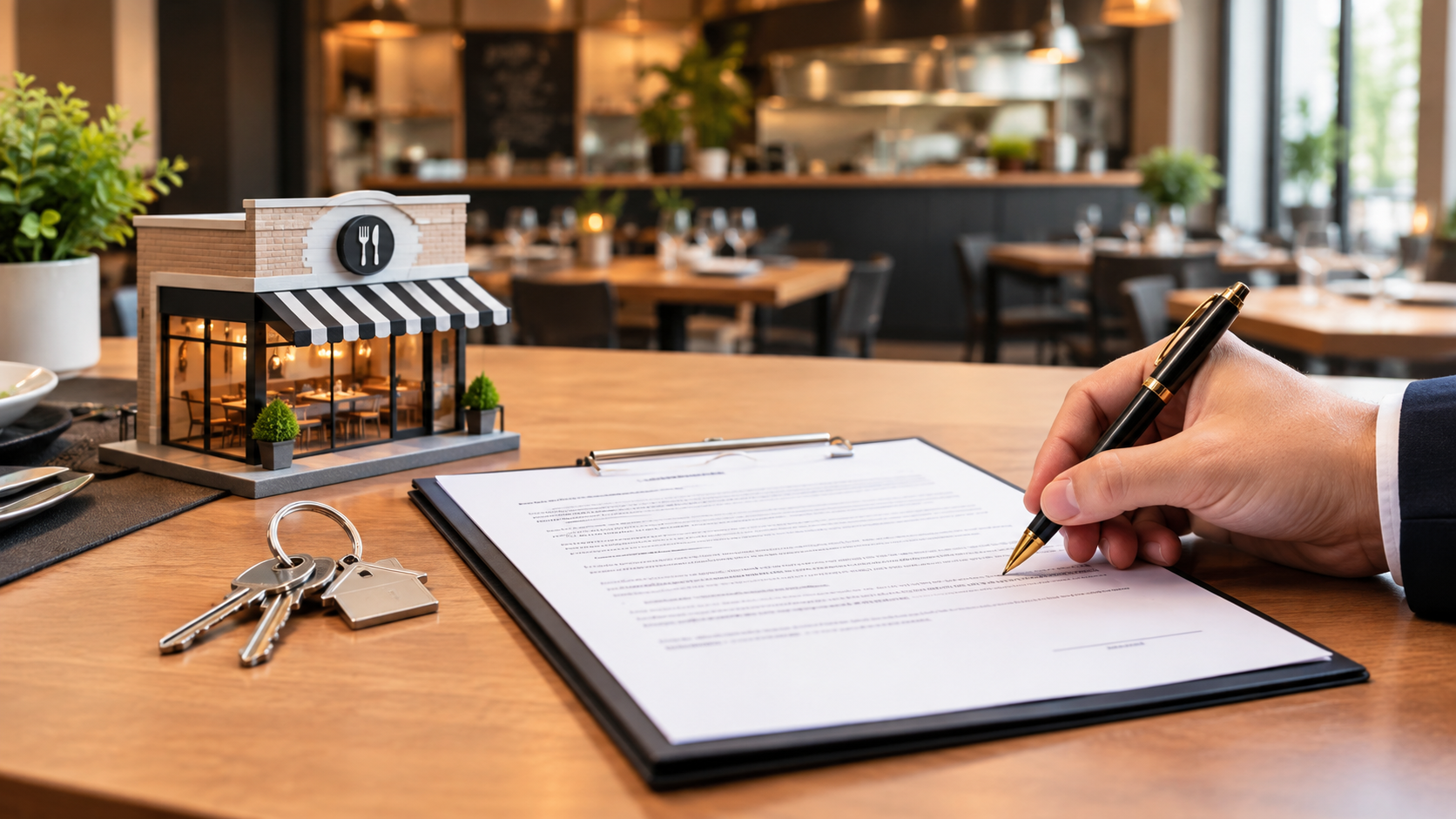
The restaurant rent fits your budget, the shopfront has potential, and you can picture the opening night already. But it’s important to understand what a restaurant lease agreement commits your business to in terms of costs and operating conditions. For an F&B outlet, kitchen infrastructure, exhaust access, trading hours, signage, licensing and fit-outs all matter. Thus, reviewing the restaurant lease agreement terms can help you spot problems before they spiral out of control.
Lease Term and Lock-In Period
Check the total tenure, lock-in, termination notice and renewal conditions. The lease duration should offer your investment in interiors, kitchen equipment and branding a realistic chance to earn a good return. So, check what happens for different scenarios, like if you exit the lease agreement during the lock-in period, including compensation or deposit deductions. Have a lawyer assess the potential liability. Confirm when the lock-in starts, which parties it binds and whether exceptions apply if required approvals cannot be obtained.
Rent, Security Deposit and Escalation Clause
Rent
Confirm monthly rent, the payment date and separate maintenance or common-area maintenance (CAM) charges. If revenue sharing applies, check how sales are calculated.
Security Deposit
Record the amount, permitted deductions and refund deadline after handover. “Refundable” needs a clear settlement process. Specify evidence for deductions and how normal wear will be treated.
Rent Escalation
Check the percentage, frequency and first increase date. Know whether each increase applies to the original rent or the rent then payable. Calculate total occupancy cost, including recurring charges and applicable taxes. Budget separately for upfront outlays, including the deposit. For example, ₹1 lakh rent plus ₹15,000 CAM means ₹1.15 lakh monthly before utilities and applicable taxes.
Permitted Use and F&B-Specific Restrictions
Confirm that the property’s approved use and lease permit your preferred format, like restaurant, café, bar, lounge or cloud kitchen. A broad “commercial use” clause will need closer checking. Additionally, check the permissions for cooking, commercial kitchen operations and customer seating. Review restrictions on cuisine, operating hours and alcohol service, alongside society, mall and landlord rules. Remember, a good location will not rescue a concept the premises cannot legally support.
Fit-Out, Renovation and Modification Rights
Get written approval for interiors, kitchen installation, exhaust routing, ventilation, electrical upgrades, plumbing and drainage, signage and branding. Determine what structural changes require landlord and authority approvals. For example, kitchen installation permission may not cover running an exhaust duct through a common area. Record the route and access rights. Check that available electricity capacity can support your proposed equipment. Agree on approval timelines, any rent-free fit-out period, the rent commencement date, and who pays to remove installations or restore the premises at the exit. Photograph the premises at handover.
Maintenance, Repairs and Operating Responsibilities
Define the landlord’s obligations for structural repairs and for shared water, drainage and electrical infrastructure. Separately list the tenant’s duties for kitchen equipment, internal fittings, utility servicing and routine upkeep. Confirm any exceptions in writing. State who arranges repairs, pays and responds to urgent failures. Define what CAM covers so the same work is not charged twice. A blocked shared drain can stop service while both parties argue over the repair bill.
Renewal, Exit and Termination Clauses
Set out renewal rights, notice deadlines, revised rent and extension conditions. Check how notice must be delivered and whether unpaid charges affect eligibility. Record the renewal process in the agreement. Review exit rights during and after lock-in, required notice, breach consequences and time allowed to correct a breach. Agree deposit settlement, equipment removal and handover requirements. Footfall, competition and operating costs can change. Your restaurant lease terms should make the cost and process of leaving clear.
Other Charges and Hidden Costs to Check
Ask for a written schedule covering:
- CAM and maintenance charges
- Property taxes, where contractually payable
- Utilities
- Parking charges
- Signage charges
- Other common-area charges
- GST and other applicable taxes
- Brokerage, stamp duty, registration and documentation costs
Pro tip: Check every recurring and one-time charge before signing, including charges payable during fit-out. Ask how variable charges are calculated and revised.
Restaurant Lease Agreement Checklist Before Signing
✓ Lease tenure
✓ Lock-in period
✓ Rent and escalation
✓ Security deposit
✓ Permitted F&B use
✓ Operating hours
✓ Fit-out permissions
✓ Exhaust, power, water and drainage
✓ Maintenance responsibilities
✓ Renewal terms
✓ Exit and termination conditions
✓ Handover/restoration requirements
How an F&B Leasing Consultant Can Help
An F&B leasing consultant connects property evaluation with the commercial details of your agreement. Jaygee Hospitality supports lease-term review, rent and escalation evaluation, negotiations, F&B infrastructure checks, documentation coordination and site handover. When shortlisting a restaurant space for lease, assess operational suitability before committing. Use a qualified legal professional for formal legal advice and agreement review.
Opening a restaurant, café, bar or another F&B outlet? Talk to Jaygee about Legal & Lease Agreement Support before finalising your commercial lease.
FAQs:
What should I check in a restaurant lease agreement before signing?
Review tenure, lock-in, rent, escalation, deposit, permitted use, fit-out rights, maintenance, renewal, exit and restoration obligations.
What is a lock-in period in a restaurant lease?
It is the agreed period restricting early termination. Check which parties are bound, any exceptions, and the potential costs of early exit.
Can a restaurant lease agreement include restrictions on kitchen operations?
Yes. Restrictions may cover cooking methods, exhaust systems, fuel, working hours and waste disposal. Check them against your menu and service model.
Why should F&B businesses get professional lease support?
Professional support helps assess costs, infrastructure and negotiated terms. A commercial lease agreement for restaurant premises needs both operational and legal scrutiny.