
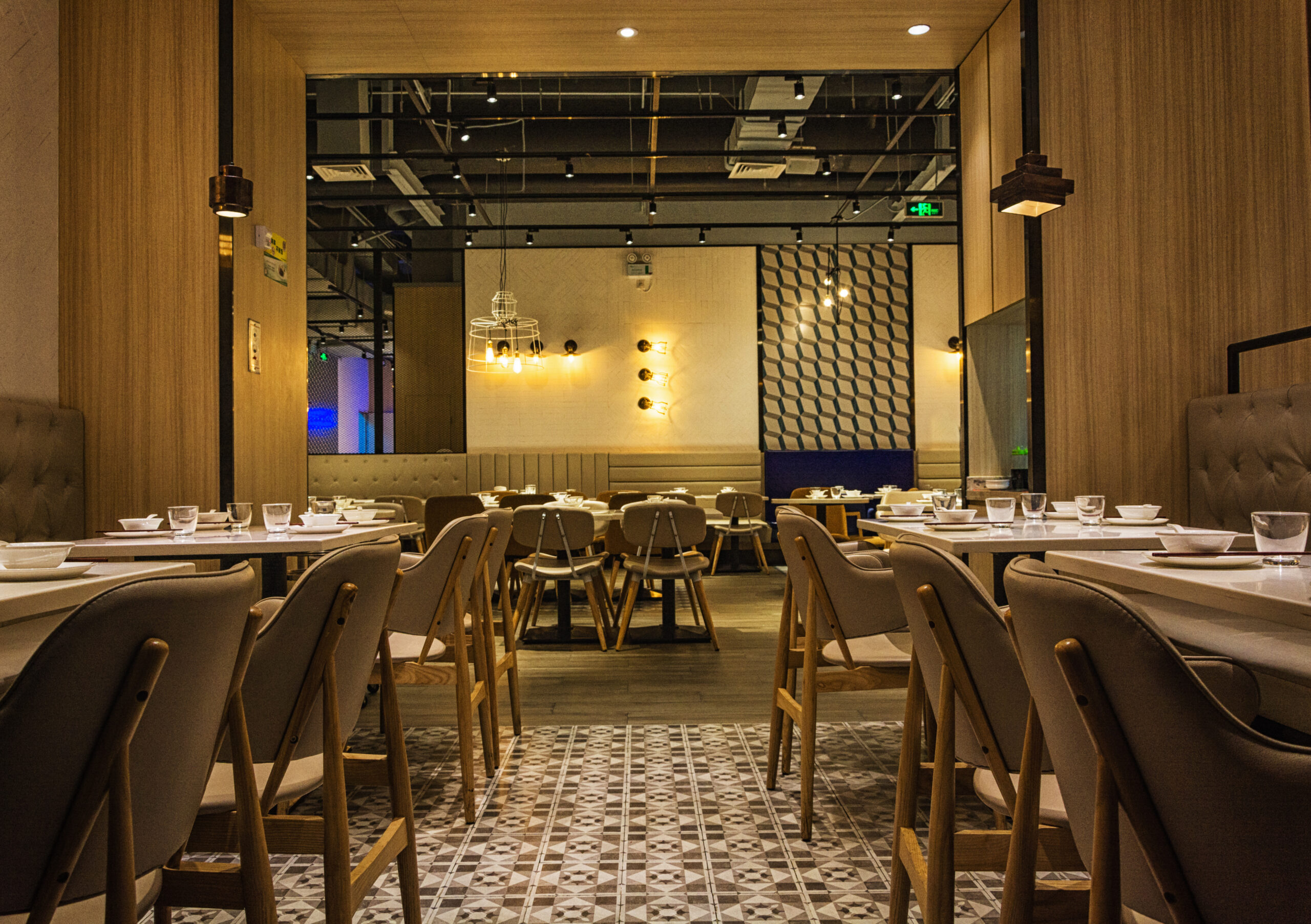
Dubai is a bustling city that attracts business owners from across the globe. Are you somebody who is thinking of opening a restaurant in Dubai? Are you wondering where to start? After all, Dubai is a place that has a competitive F&B market across cafés, QSRs, casual dining and fine dining.
Some people seem to believe that when you get a license, it is enough. Well, that is just the beginning if you dig deep and try to understand the entire process. There is so much left to do still, including planning the concept, location, getting approvals, sorting out the staffing, and launching it in a way that it stands out.
In all of this, choosing the perfect commercial property adds to your ‘to-do list’. It is one decision that greatly influences the setup costs and the profitability you can expect.
Step-by-Step Guide to Starting a Restaurant in Dubai
Step 1: Define Your Restaurant Concept and Business Model
Decide what you are building before selecting a property:
- Format: café, QSR, casual dining, fine dining, or cloud kitchen
- Cuisine and target audience
- Seating capacity
- Dine-in, takeaway, delivery, or a combination
- Pricing and positioning
Your concept determines space, kitchen, and infrastructure needs. Different formats require different properties.
Step 2: Create a Restaurant Business Plan and Budget
Plan for:
- Rent and security deposit
- Fit-out, interiors, and kitchen equipment
- Licences and approvals
- Staffing and training
- Initial inventory
- Marketing and technology
A practical budget helps you compare properties and control premises spending.
Step 3: Choose Mainland or Free Zone
Dubai provides mainland and free-zone setup routes. Mainland companies are registered through Dubai authorities, while free zones follow their own frameworks.
The choice depends on activity, ownership, location, and operating model. Invest in Dubai provides setup, licensing, and mainland/free-zone information.
Step 4: Choose the Right Restaurant Location
Here are some factors that you must consider:
- Target customer
- Footfall and visibility
- Accessibility and parking
- Nearby businesses and competition
- Residential versus commercial areas
- High-street versus mall
- Rent and occupancy
- F&B infrastructure
Choosing a restaurant property in Dubai is not simply about finding space within budget. An F&B real estate consultant Dubai can assess terms, location, and operational requirements before committing.
Step 5: Find and Lease a Suitable Commercial Space
Review shortlisted properties for:
- Rent, deposit and lease tenure
- Lease escalation
- Fit-out and rent-free periods, where negotiated
- Maintenance charges
- Permitted activity and usage
- Kitchen infrastructure
- Power, drainage and exhaust
- Lease documentation
Jaygee Hospitality evaluates location, visibility, accessibility, and infrastructure while supporting negotiations and site handover.
Step 6: Obtain the Required Business and Restaurant Licences
Requirements vary by activity and concept. The process may involve:
- Trade name and business registration
- Appropriate trade or business licence
- Restaurant activity approvals
- Dubai Municipality food-related approvals
- Additional approvals for concepts
Avoid a universal checklist. Confirm requirements for the proposed activity and location.
Dubai Municipality provides services for food activity permits and food-establishment layout assessments.
Step 7: Get the Restaurant Layout and Food Safety Approvals
Plan kitchen and service areas around food safety and efficient operations. Consider:
- Food preparation and storage
- Hygiene and cleaning areas
- Waste management
- Ventilation and exhaust
- Equipment placement
- Safe food movement
Dubai Municipality maintains specific food-establishment requirements and services for layout assessment and food-related approvals.
Step 8: Complete the Fit-Out and Kitchen Setup
Once approvals and lease conditions are aligned, complete civil, plumbing, electrical, HVAC, lighting, furniture, signage, and kitchen installation according to approved layouts.
Step 9: Hire Staff and Set Up Restaurant Operations
Hire management, kitchen, and front-of-house staff. Dubai Municipality’s food-safety framework emphasises trained personnel and food-safety procedures.
Step 10: Complete Final Approvals and Prepare for Launch
Complete final approvals, confirm the menu, suppliers, and training, then conduct trial operations. Set up Google Business Profile and delivery platforms, and consider a soft launch.
Common Mistakes to Avoid When Opening a Restaurant in Dubai
Here are some common mistakes that you will do well to sidestep.
- Choosing property based only on rent
- Signing before checking F&B suitability
- Underestimating fit-out costs
- Ignoring parking and accessibility
- Not checking permitted activities
- Underestimating working capital
- Ignoring the target customer
- Expanding before the first outlet is stable
Conclusion
Starting a restaurant in Dubai requires planning across concept, budget, setup, location, leasing, licensing, food safety, and launch. Gaps in planning can create unnecessary costs or delays.
An experienced F&B real estate consultant in UAE can help brands evaluate properties and make informed leasing decisions. Moreover, when you choose Jaygee Hospitality, you get that very expertise to help you make informed decisions throughout the entire process.
FAQs
1. Should I choose a mainland or free-zone setup?
The right option depends on your business activity, operating model, ownership structure and intended location.
2. What should I check before leasing a restaurant property?
Check permitted use, rent, deposits, fit-out terms, infrastructure, accessibility and ongoing occupancy costs.
3. Can an F&B real estate consultant help with restaurant expansion?
Yes, a specialised consultant can assist with property sourcing, evaluation, leasing, and expansion strategy.